Vincci Hotels is stepping up its strategy to reduce food waste at source Vincci Hoteles

Vincci Hotels is stepping up its strategy to reduce food waste at source
Vincci Hotels is stepping up its strategy to reduce food waste at source
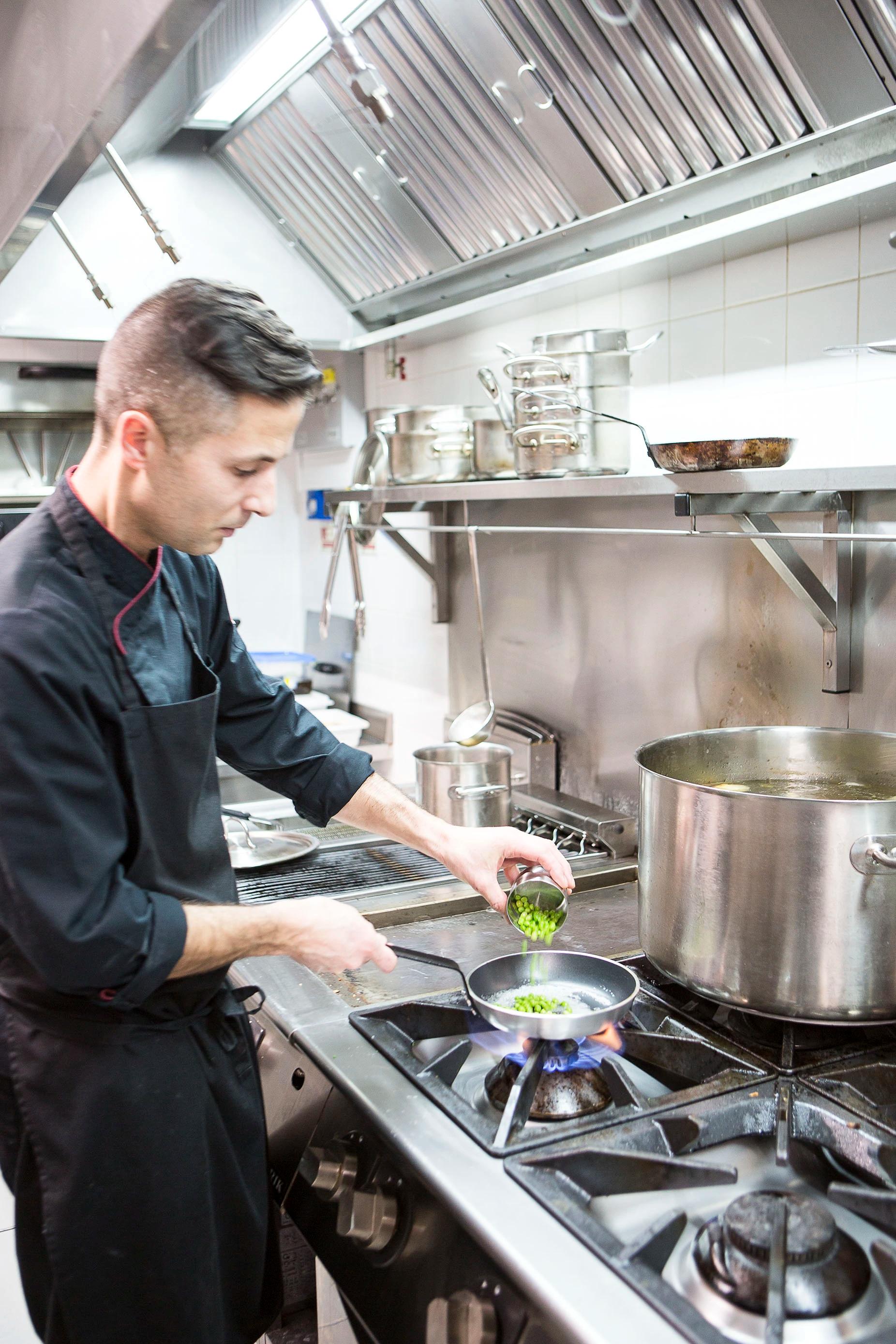
Measuring which foods are wasted, identifying why this happens and using that information to adjust processes before surplus food ends up becoming waste. With this approach, Vincci Hoteles continues to make progress in preventing food waste by incorporating new technological tools and collaborative models that make it possible to take action at different stages of food service management.
On the occasion of the International Day of Awareness of Food Loss and Waste, celebrated every 29 September, the company is taking stock of some of the projects it is currently working on, from using artificial intelligence to analyse discarded food to automation and monitoring systems, collaborative initiatives within the hotel sector and solutions designed to find an outlet for food that has not been consumed.
The aim is to move beyond managing surplus food towards preventing it, obtaining increasingly accurate information that enables teams to anticipate needs, adjust purchasing and production, and optimise kitchen processes.
Artificial intelligence to understand what ends up in the bin
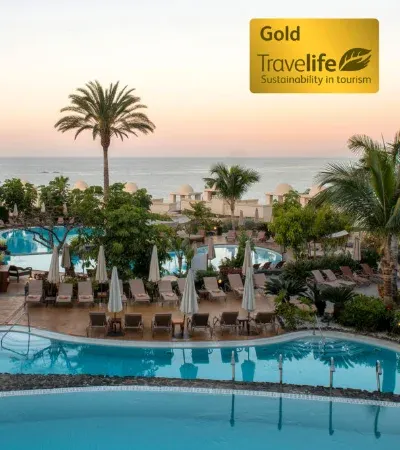
One of the most advanced projects is being developed at Vincci Selección La Plantación del Sur 5* in Tenerife, where the chain is working with Orbisk, an artificial intelligence-based solution capable of automatically identifying and weighing discarded food.
The information collected makes it possible to identify which products generate the most waste and provides data that can be used to review procedures and make decisions. Since the project was launched, food waste at the property has been reduced by approximately 30%, although the initiative is still in the pilot phase and continues to evolve.
The project also has a broader objective: to define a working model that can serve as a reference for subsequently making progress in this area across the rest of the company, applying the lessons learned in Tenerife to other properties.
In Barcelona, Vincci Marítimo 4* is developing a second pilot project, this time in collaboration with Effiwaste. Work is currently underway to design an ecosystem for measuring, monitoring and analysing data, supported by various technological tools and devices designed to detect inefficiencies and progressively reduce food losses.
Both projects share the same premise: to reduce food waste effectively, it is first necessary to be able to measure it and understand where and why it occurs.
La Plantación del Sur joins “Bendita Comida – Desperdicio 0”
This commitment is further reinforced by the recent participation of Vincci Selección La Plantación del Sur 5* in the Voluntary Code of Conduct for the Prevention of Food Waste in the Hotel Sector in the Canary Islands, promoted by the “Bendita Comida – Desperdicio 0” initiative.
The project is currently in its initial stages and will enable the property to share data and working procedures with other industry stakeholders, as well as progressively develop joint actions aimed at reducing food losses.
Planned initiatives include measures related to negotiating with and purchasing from local producers, as well as awareness campaigns aimed at guests and the exchange of practices and knowledge to help further prevent food waste in hotel operations.
The partnership with Too Good To Go
Prevention is complemented by measures designed to make use of food that, despite planning efforts, has not been consumed. In this area, Vincci Hoteles currently collaborates with Too Good To Go across 27 of its properties, with Vincci Selección La Plantación del Sur 5* set to join the network shortly.
Through this collaboration, which began in April 2024, teams select items from the breakfast buffet that have not been served and still meet quality standards, following food safety and hygiene criteria. These items are used to prepare packs that are subsequently offered through the app, preventing food that is still fit for consumption from ending up as waste.
This line of action forms part of Vincci Hoteles' Waste Management and Minimisation Plan, within a strategy aimed at incorporating sustainability into the day-to-day operations of its properties. The company works in areas such as responsible waste and resource management, consumption efficiency and purchasing decisions that also take the origin and proximity of products into account.
From managing surplus food to preventing it from being generated
The simultaneous development of these initiatives reflects an evolution in the way food waste is addressed. Recovering food that can still be consumed is important, but the next step is to obtain the information needed to prevent that surplus from being generated in the first place.
Thus, tools such as Orbisk and Effiwaste enable more in-depth measurement and analysis; participation in initiatives such as “Bendita Comida – Desperdicio 0” broadens this work through collaboration with other stakeholders; and Too Good To Go provides an alternative for food that ultimately remains unconsumed.
“Reducing food waste requires action at every stage of the process. Technology allows us to better understand where losses occur and make data-driven decisions, but planning, team involvement, collaboration with suppliers and other stakeholders, and raising customer awareness are also essential. The aim is to have less and less surplus to manage because we have been able to prevent it beforehand,” says César Pérez, Director of Quality and Sustainability at Vincci Hoteles.
Through this combination of technology, measurement, collaboration and awareness, Vincci Hoteles continues to move towards more efficient food management, viewing waste reduction as a process of continuous improvement that begins long before a product ends up becoming waste.
Enjoy your travels more
subtitle_categories_andromeda
Vincci Talks
Our podcast, a series of close encounters where relaxed conversations are held on various topics of general interest, with special guests who bring their expert and unique insights.
View moreVincci Expert
Immerse yourself in Vincci Local Expert and explore the best of each destination where our hotels are located. From local events to exclusive activities at our establishments, here you will find everything you need to live a Vincci experience.
View moreVincci Experiences
Explore the space where we store all the unique experiences you can have with us.
View moreVincci Getaways and destinations
Discover in our blog all the information about getaways and holiday destinations you need.
View moreVincci Gastronomy
Explore our posts section about the exquisite gastronomy we offer.
View moreUnique Events
Explore our posts section, the place to discover detailed information about special events, both social and corporate.
View moreTravel tips and recommendations
Our selection of posts offering an indispensable guide to finding tips and recommendations that inspire every journey.
View moreVincci Sustainable and responsible
Discover in our posts section about our sustainable and responsible initiatives.
View moreVincci Corporate Hotels
Our section of highlighted news reflecting the excellence and trajectory of our hotel chain.
View more