Villages of Tenerife: the island’s most charming spots Vincci Hoteles

Villages of Tenerife: the island’s most charming spots
Villages of Tenerife: the island’s most charming spots
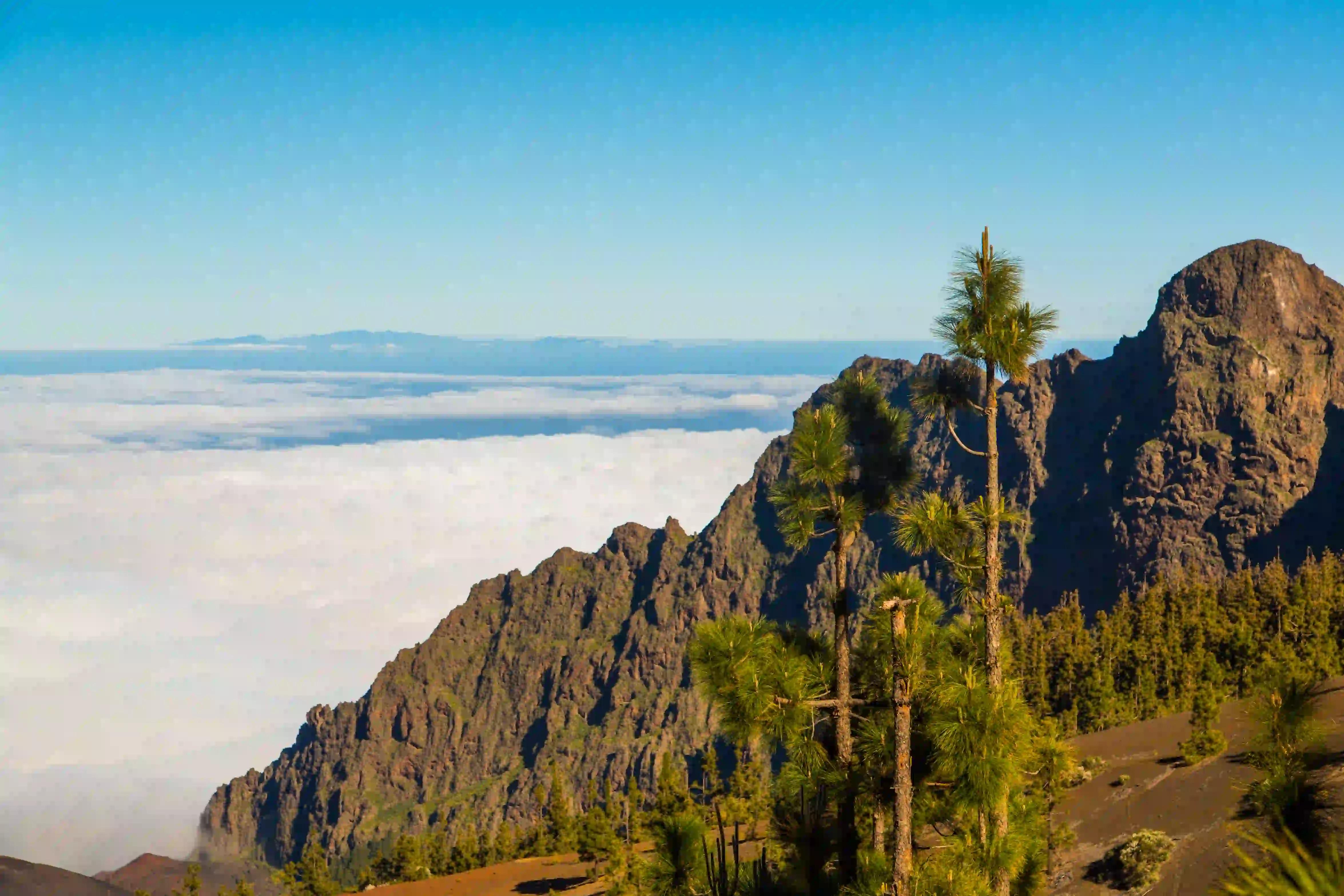
Exploring the villages of Tenerife means discovering a different and authentic island, where the landscape constantly changes and each area has its own personality. In the north, green and humid landscapes predominate; in the mid-altitude areas of the south, rural settlements and mountains; towards the west, volcanic landscapes appear, while the east hides the spectacular ravines of Anaga.
Precisely this diversity is one of Tenerife's great attractions: all you have to do is move away from the best-known routes to discover a different island. In this article, we take you through some of the most beautiful villages in Tenerife that are well worth discovering.
Index:
- Most beautiful villages in Tenerife: our selection
- San Cristóbal de La Laguna
- Garachico
- La Orotava
- Masca
- Icod de los Vinos
- Taganana
- Vilaflor de Chasna
- Buenavista del Norte
- Candelaria
- Santiago del Teide
- El Sauzal
- Los Silos
- Tegueste
- Arafo
- Teno Alto
- Municipalities of Tenerife according to the type of trip
- Routes through the villages of Tenerife
- Where to stay to discover the villages of Tenerife
- Conclusion
Most beautiful villages in Tenerife: our selection
San Cristóbal de La Laguna
San Cristóbal de La Laguna is one of those places you have to discover. Its historic centre, declared a UNESCO World Heritage Site in 1999, has preserved an urban layout that has remained practically intact since its foundation at the end of the 15th century, with streets, squares and historic buildings that reflect centuries of evolution. The city also stands out for having been the first example of an unfortified Spanish colonial city with a grid layout, a model that later influenced numerous cities in the Americas.
Walking through its streets means discovering one of the finest examples of traditional architecture in Tenerife, with manor houses, courtyards, wooden balconies and churches such as the Cathedral of La Laguna or the Church of La Concepción. The area around Plaza del Adelantado and the streets of San Agustín, Herradores and La Carrera contain much of this heritage while also maintaining a lively commercial and cultural life.
The best way to discover La Laguna is precisely to explore its historic centre on foot and let yourself be carried along by its streets, stepping into its courtyards and small shops and stopping in its squares.
Garachico
If you had to choose a village that summed up the relationship between Tenerife, the sea and volcanoes, Garachico would be one of the best candidates. Its cobbled streets and stately homes form one of the most interesting historic ensembles on the island, but its history is also marked by the Trevejos volcano, whose eruption in 1706 buried much of the old port under lava.
Garachico managed to rise again from that episode and today preserves a valuable heritage that has earned it the status of a Site of Cultural Interest. Walking through Plaza de la Libertad, approaching Castillo de San Miguel, visiting the Church of Santa Ana or passing through the arch of the old Puerta de Tierra allows you to discover traces of that past and understand the importance it once had.
But Garachico's history does not end in its streets. Facing the historic centre are the natural pools of El Caletón, where volcanic rocks form small seawater pools that are perfect for a swim when sea conditions allow. A perfect finishing touch to discovering the two sides of Garachico: the one that looks to its past and the one that remains connected to the ocean.
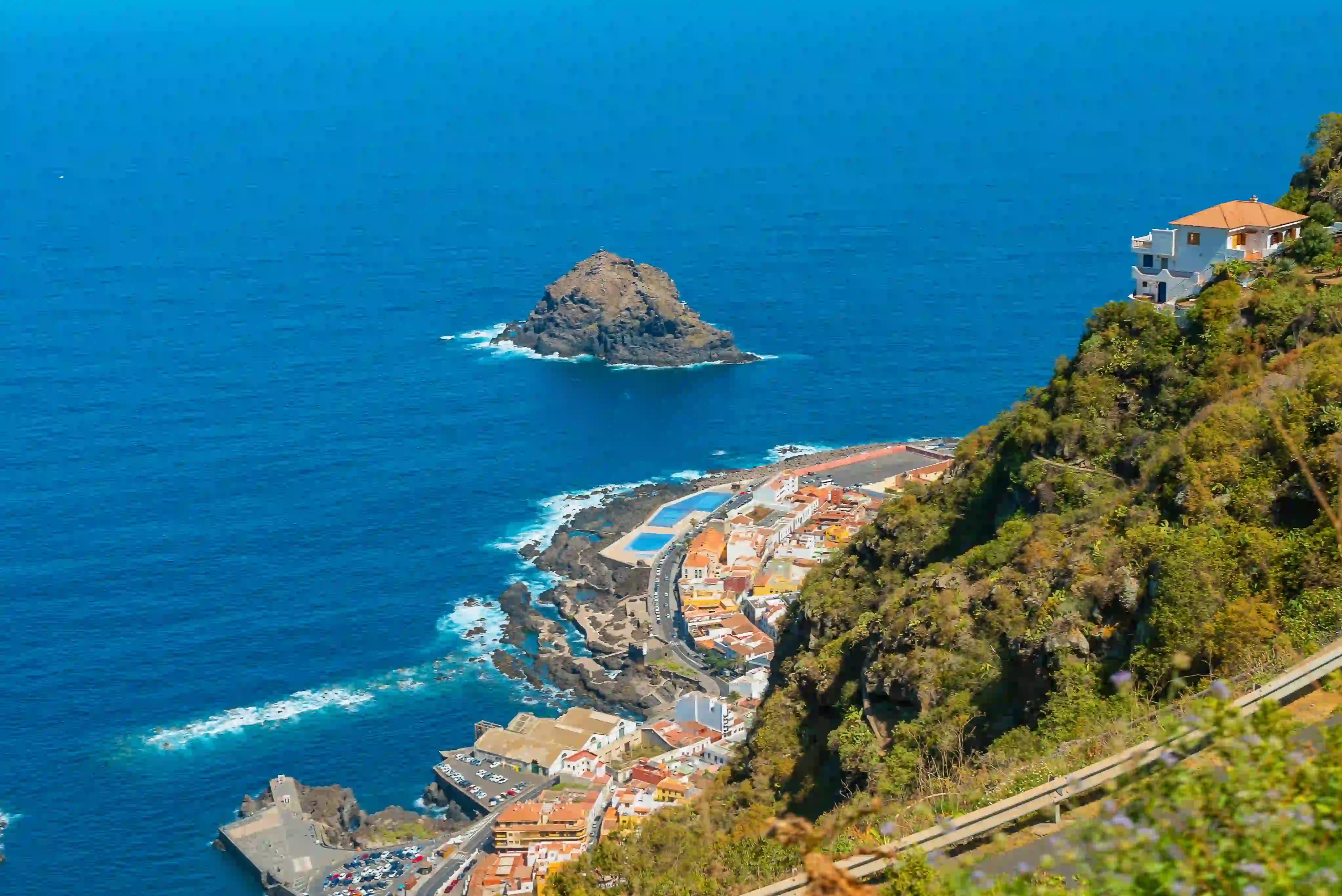 Garachico.
La Orotava
The historic centre of La Orotava, declared a Historic-Artistic Site, preserves stately homes, wooden balconies, churches and cobbled streets that give an idea of the importance this village acquired after the conquest of Tenerife. Casa de los Balcones is one of the finest examples of traditional Canarian architecture, although the charm of La Orotava goes far beyond its buildings. Its privileged location, between the coast and the peaks of Mount Teide, means that the landscape is also part of its identity.
Among the gardens of Quinta Roja, the Church of La Concepción and the small squares in the centre, La Orotava combines its rich historical heritage with a strong rural character that can still be felt in its streets. This relationship with the countryside is also very present in its gastronomy, especially in the guachinches, where you can try local products accompanied by Tenerife wines.
And if there is a moment when all this identity becomes especially visible, it is Corpus Christi. During this celebration, the town hall square becomes the setting for one of the most unique artistic traditions in the Canary Islands, with spectacular carpets made from volcanic earth and flowers.
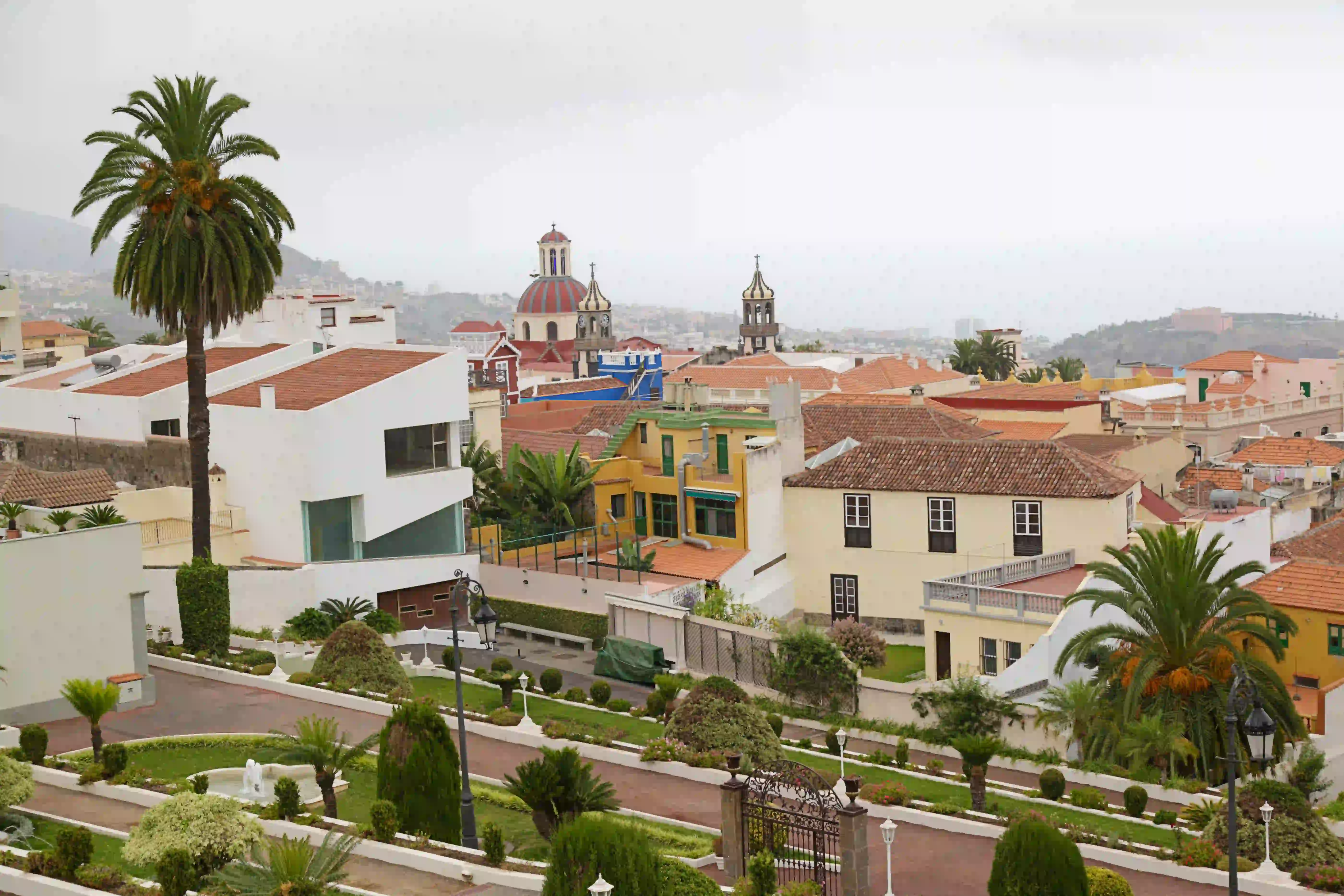 La Orotava.
Masca
Masca seems to belong to another world. This small hamlet is located in the heart of the Teno Rural Park, perched on mountain ridges and surrounded by some of the most spectacular ravines in Tenerife.
The TF-436 road winds through the mountains until it reaches the hamlet and, before arriving, it is worth stopping at the Cherfe Viewpoint to admire one of the most spectacular panoramic views of the valley. In Masca itself, the small settlement retains the traditional character that has earned it the designation of a Site of Cultural Interest as a Historic Site.
And if there is one experience that has made Masca famous, it is the route through the Masca Ravine, one of the best-known hiking routes in Tenerife. The path descends between rock walls and landscapes of immense beauty until it approaches the ocean, although it is important to check access conditions and current restrictions before undertaking it, as it is an especially sensitive natural environment.
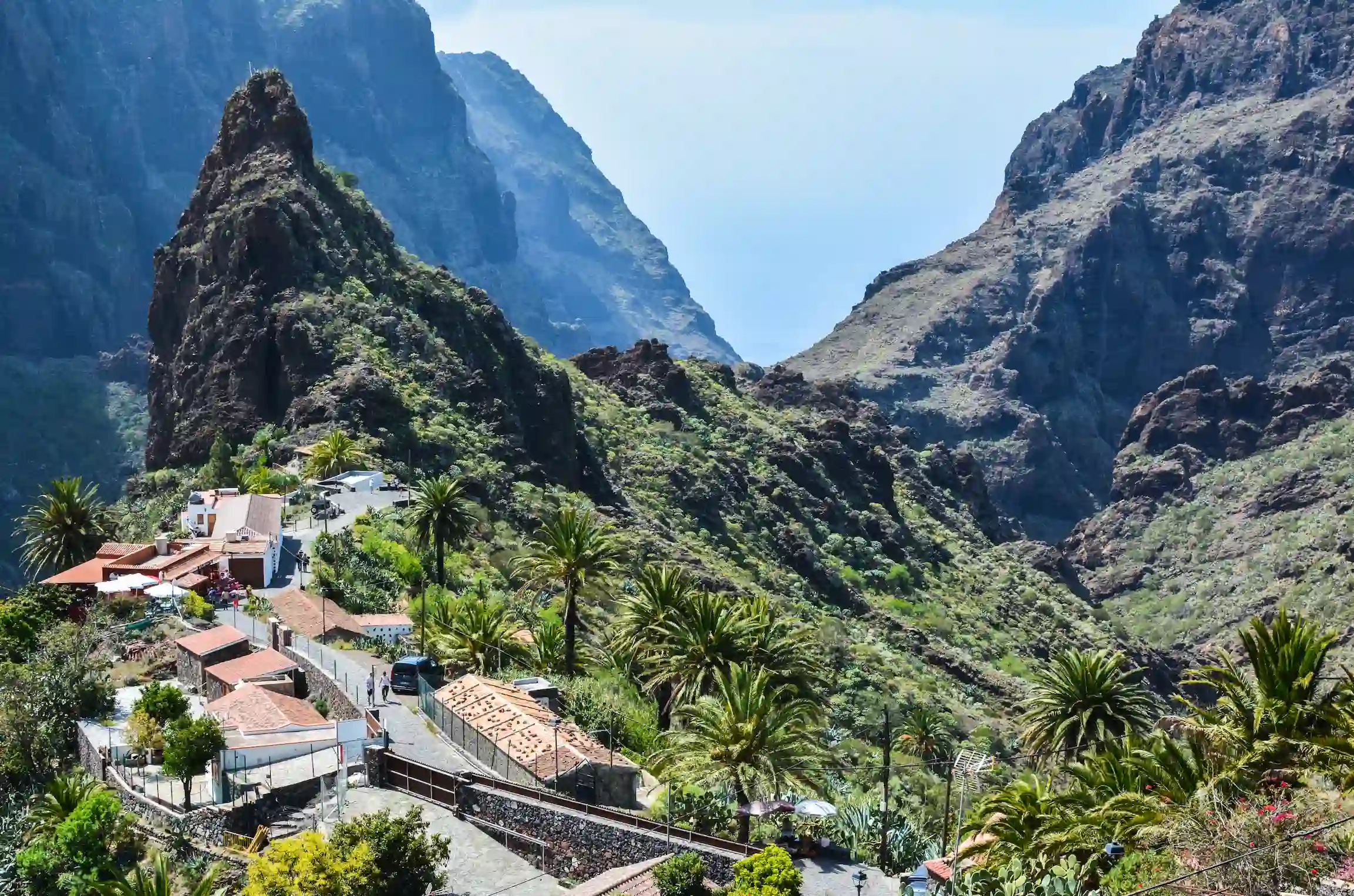 Masca.
Icod de los Vinos
Icod de los Vinos has a hard-to-beat calling card: a tree that has become a symbol of an entire island. The Millenary Dragon Tree, which is currently estimated to be around 800 years old, stands over 16 metres high and has a base of around 20 metres in circumference. It stands next to the Church of San Marcos, in the heart of the historic centre, and is one of the great natural and cultural icons of the Canary Islands.
But Icod deserves much more than a photograph in front of the dragon tree. Its historic centre, declared a Site of Cultural Interest, preserves cobbled streets, small squares and buildings such as the Church of San Marcos, the Convent of San Francisco and the Emeterio Gutiérrez Albelo House Museum.
Wine is also part of the personality of Icod de los Vinos, a municipality historically linked to grape growing and fishing, two traditions that are still reflected in its gastronomy and the wines of the area. And to complete the visit, another of its great surprises awaits in the upper part of the municipality: the Cueva del Viento, one of the largest volcanic tubes in the world.
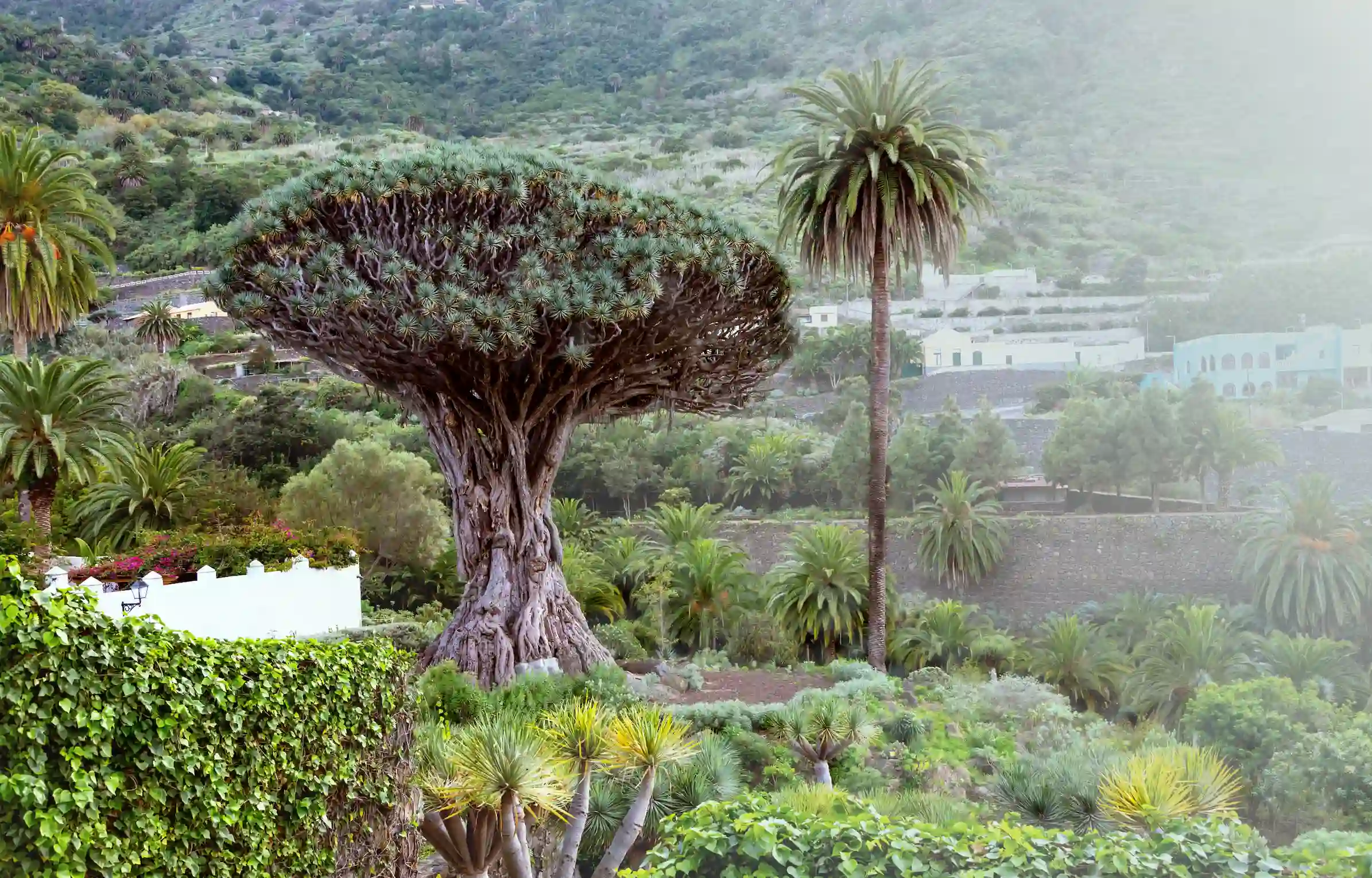 Icod de los Vinos.
Taganana
In the northeast of Tenerife lies Taganana. The white of its houses stands out against the deep green of the mountains and makes the village one of the most recognisable landscapes in this part of the island. Taganana is part of the Anaga Rural Park and is surrounded by ravines, rock formations and beaches with an almost wild appearance. Before arriving, it is worth stopping at the El Bailadero Viewpoint, from where one of the most spectacular panoramic views of the area can be enjoyed.
Once in the village, the Church of Nuestra Señora de las Nieves, one of the oldest in Tenerife, offers an opportunity to learn about the history of this small settlement. And the visit does not end here: the road continues towards other corners of the Anaga coast, such as Roque de las Bodegas, Almáciga and Benijo, where the landscape once again becomes the main protagonist. We recommend following this road and stopping at its viewpoints.
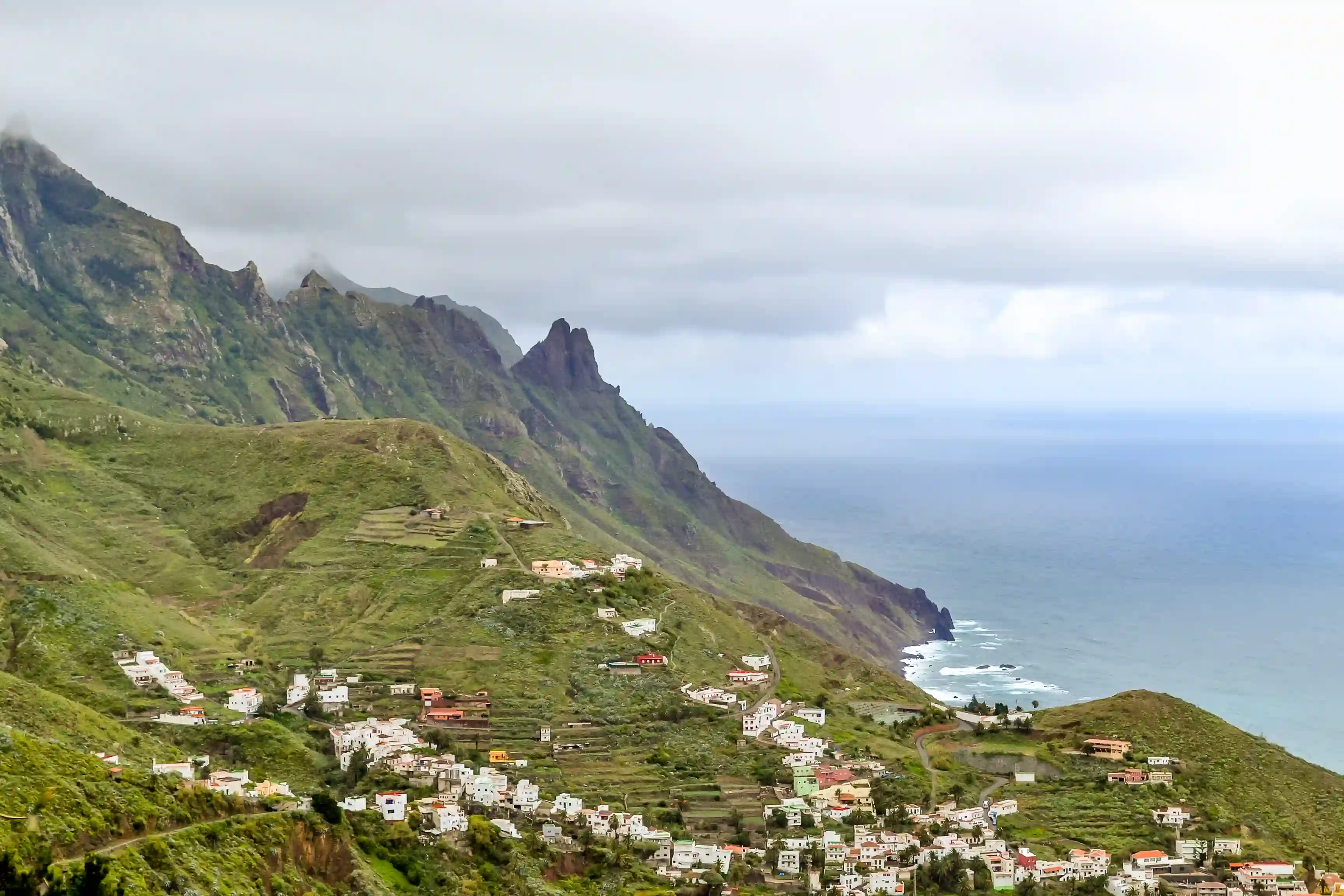 Taganana.
Vilaflor de Chasna
Vilaflor de Chasna proves that Tenerife does not always need the sea to impress. Located at an altitude of around 1,500 metres, it is one of the highest municipalities in Spain and one of the great rural retreats in the south of the island. Its cobbled streets, traditional houses and pine forest landscape create an atmosphere completely different from that of the coast. In addition, since the 16th century, the former Camino Real de Chasna connected the north and south of Tenerife and was used by travellers attracted by the proximity of the peaks.
Precisely this setting makes Vilaflor a magnificent starting point for discovering Tenerife's mountain landscapes. One of the best-known routes is the Moon Landscape, a 12.9-kilometre circular route that starts in the municipality and crosses the Corona Forestal until reaching the characteristic white tuff formations shaped by wind and water.
There is also a particularly beautiful time to visit the area: winter, when the almond trees in bloom cover the mid-altitude areas in shades of white and pink and completely transform the landscape. This is when Vilaflor reveals one of its most unique scenes.
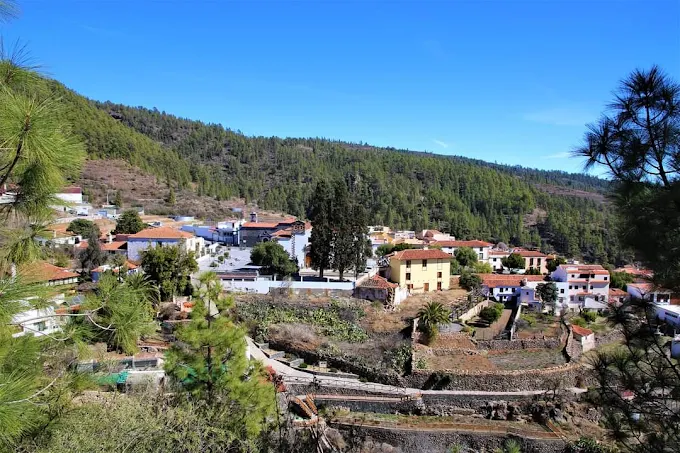 Vilaflor de Chasna.
Buenavista del Norte
Buenavista del Norte represents a much quieter Tenerife. At the northwestern tip of the island, the municipality combines the landscapes of the Teno Rural Park with deep ravines and a volcanic coastline where nature remains the main protagonist. In fact, around 80% of its territory is occupied by protected areas.
But Buenavista is also worth visiting for its heritage and its landscapes by the sea. In the centre, Plaza de Los Remedios and the Church of Nuestra Señora de los Remedios provide a contrast to the nature surrounding the municipality, while on the coast the Buenavista Lighthouse offers one of those places where it is worth stopping simply to contemplate the Atlantic. From here, you can also continue the route towards other corners of the northwest such as Teno Alto, Los Silos or Masca, following panoramic roads that cross some of the most spectacular landscapes on the island.
Candelaria
Candelaria is one of the places in Tenerife with the greatest historical and religious importance. Here you will find the Basilica of Our Lady of Candelaria, one of the main pilgrimage centres in the Canary Islands. Tradition holds that, before the conquest of the island, the Guanches already venerated the image of the Virgin, then known as Chaxiraxi.
The current basilica was built in the 20th century, although Candelaria's connection with the Virgin dates back centuries. Next to the temple is the Plaza de la Patrona de Canarias, presided over by sculptures of the ancient Guanche menceyes, while the seafront promenade allows you to continue the visit alongside the Atlantic.
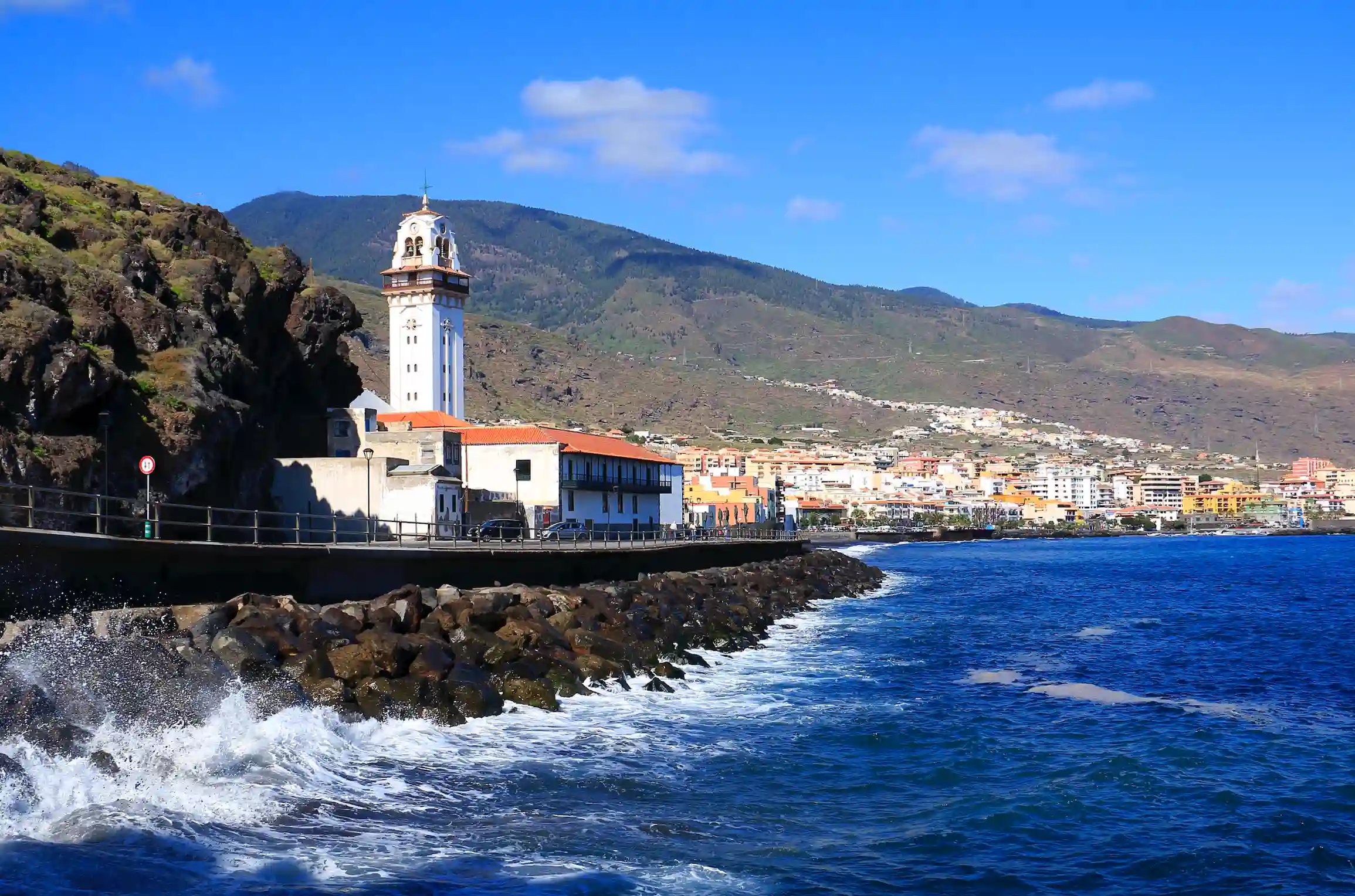 Candelaria.
Santiago del Teide
Santiago del Teide combines coast, mountains and volcanic landscapes. On the coastal side is the impressive Cliffs of Los Gigantes, whose walls rise up to around 600 metres above sea level. Excursions to spot cetaceans and admire the cliffs from the sea also depart from the marina, one of the most common experiences for discovering this setting.
The inland area of the municipality offers a completely different landscape. The surroundings of Chinyero, marked by Tenerife's last eruption in 1909, allow you to walk along old paths between lava flows and volcanic cones and discover at close quarters how eruptions have shaped much of the island's landscape. It is an especially interesting area for hiking and combining a visit to Santiago del Teide with its natural heritage.
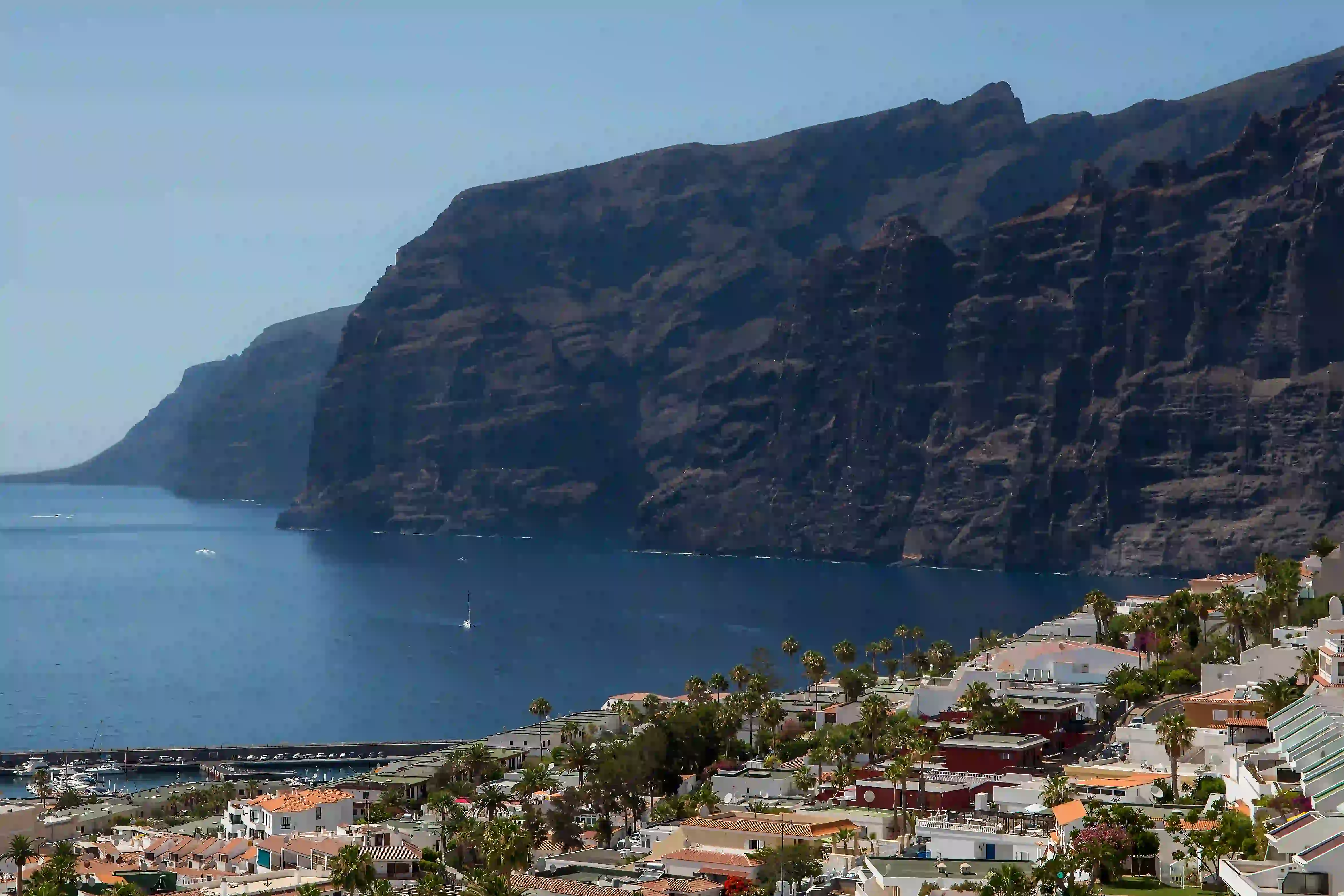 Santiago del Teide.
El Sauzal
El Sauzal is a small, quiet village that enjoys a privileged location between Tacoronte and La Matanza de Acentejo, with views stretching from the Atlantic to Mount Teide. Its territory extends from the coastal cliffs to the mid-altitude areas, where vegetation and crops create an especially attractive landscape.
El Sauzal's heritage is also worth a stop. The Casa de la Miel y el Vino, the Church of San Pedro and the restored traditional houses offer an opportunity to discover the history and traditions of this municipality. And from the centre you can continue towards the coast, which forms part of the Costa de Acentejo Protected Natural Landscape, where you will find coves, natural pools and a more than four-kilometre-long coastal path for enjoying the landscape by the sea.
Los Silos
Los Silos is one of the quietest villages in the northwest of Tenerife and a good stop for discovering this area of the island. Located between Garachico and Buenavista del Norte, it preserves a historic centre in which the Church of Nuestra Señora de la Luz and the former Convent of San Sebastián de Monjas Bernardas stand out, along with different examples of traditional architecture.
Just a few minutes from the centre is the coast, where the natural pools and paths alongside the sea allow you to enjoy another of Los Silos' great characteristics: its relationship with the volcanic landscape of the northwest. Hiking trails also depart from here, crossing the surrounding area and connecting the municipality with other natural spaces in this part of Tenerife.
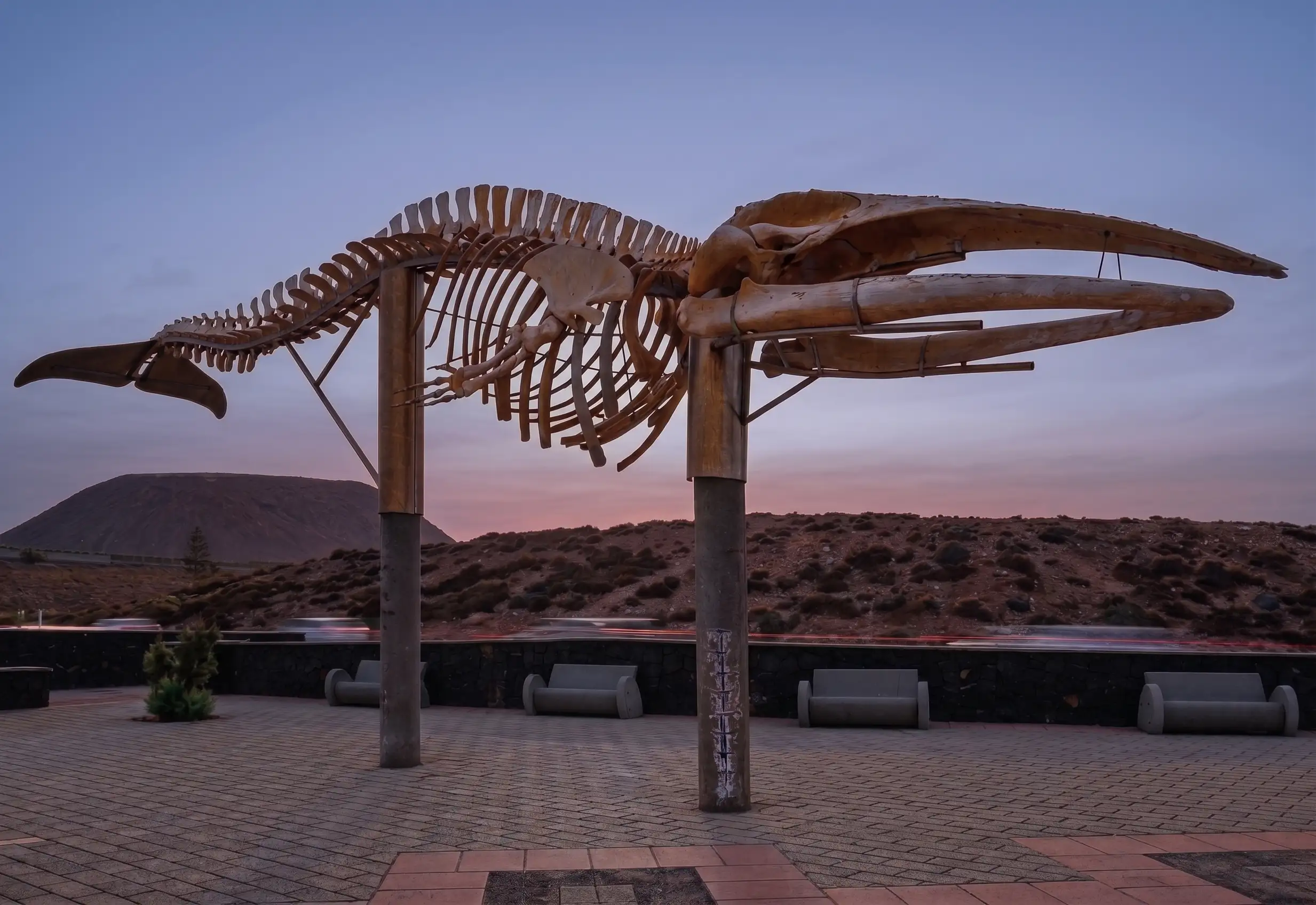 Los Silos.
Tegueste
Tegueste is one of the best places in Tenerife to discover the island's relationship with agriculture and wine. Located at the entrance to the Anaga Rural Park, in an inland basin with no coastline, it preserves a landscape of crops and vineyards that is very different from that of the more tourist-oriented areas. Its historic centre, declared a Site of Cultural Interest in 1986, also preserves buildings, squares and paths that recall the municipality's agricultural past.
The surroundings also offer an opportunity to get closer to the nature of this part of Tenerife. One of the most interesting routes is the Camino de los Laureles, an old path that crosses a small remnant of laurel forest and allows you to discover the humid landscape of the northeast of the island more closely. It is a good option for completing a visit to the historic centre with a walk through its surroundings.
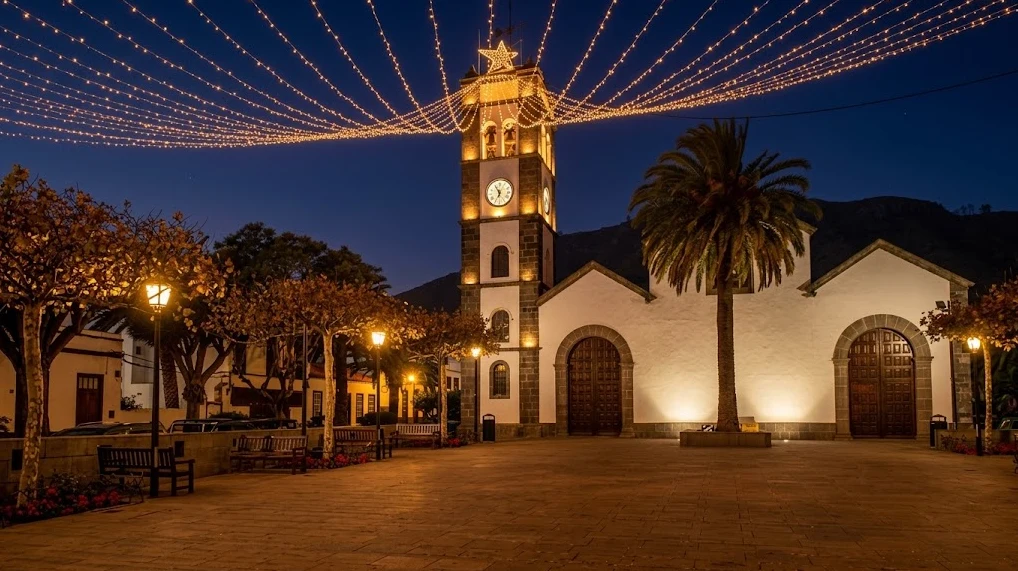 Tegueste.
Arafo
Arafo is a municipality in the mid-altitude areas of southern Tenerife that stands out for its heritage, its landscape and, above all, its musical tradition. In fact, it is known as the “Village of Music” because of the importance that bands and musical groups have historically had in the locality. Its historic centre preserves traditional buildings that are worth exploring on foot, while the surrounding area is home to natural spaces such as the Siete Lomas Protected Landscape, the Añavingo Ravine and the volcanic surroundings of Las Arenas.
The Ruta de los Romeros, which crosses the municipality from the higher areas to the coast, allows you to discover much of this landscape and its old paths through the mid-altitude areas. Arafo does not usually appear among the first places on tourist routes around Tenerife, but precisely for that reason it is a good option for discovering a more rural part of the island and its relationship with music and the natural environment.
Teno Alto
Teno Alto is one of the small rural settlements that best allow you to discover the most traditional Tenerife. Located in the surroundings of the Teno Rural Park, this mountain hamlet preserves traditional houses, rural paths, terraces and other elements linked to agriculture and the way of life of the area. Its location also makes it possible to combine the visit with other places in the northwest such as Buenavista del Norte, Masca or Los Silos.
Rather than for large monuments, Teno Alto stands out for its traditional architecture and rural surroundings. It is worth exploring the hamlet on foot and continuing along one of the paths in the surrounding area to enjoy the views and discover this mountain landscape, away from Tenerife's main tourist areas.
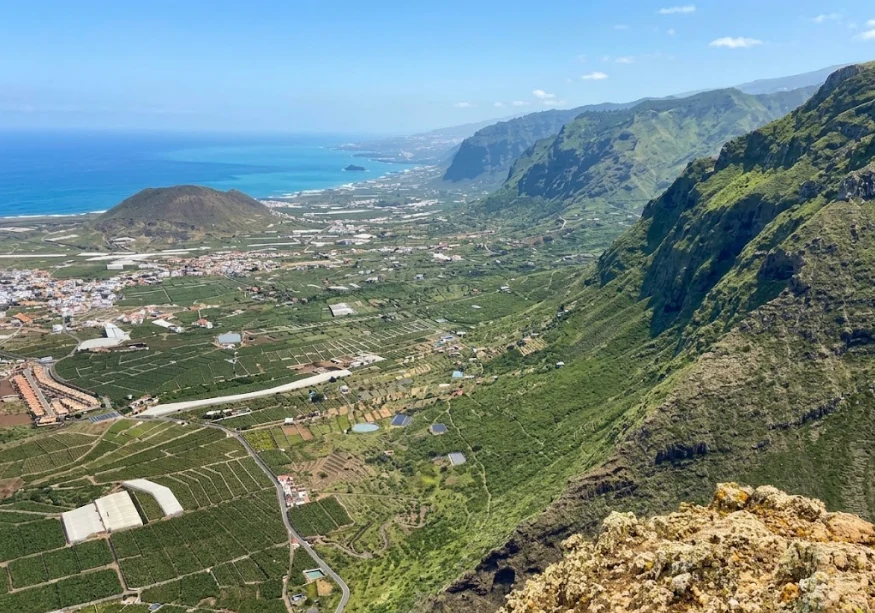 Teno Alto.
Municipalities of Tenerife according to the type of trip
One of the best ways to discover Tenerife is to move away from the best-known routes and explore its villages. Each one shows a different part of the island: there are places where heritage and history are the main protagonists, others surrounded by volcanoes and ravines that are ideal for hiking, and others where gastronomy, wine and rural traditions carry particular weight. Therefore, depending on what you are looking for during your trip, you will find villages that are better suited to one type of experience or another.
- If you are looking for history and architecture, La Laguna, Garachico, La Orotava and Icod de los Vinos are some of the best options. Their historic centres, churches, traditional houses and squares allow you to discover much of the island's heritage.
- For those who prefer nature and hiking, Masca, Taganana, Vilaflor, Buenavista del Norte and Santiago del Teide offer very varied landscapes, from ravines and pine forests to volcanoes, cliffs and old paths. They are especially interesting destinations for combining a visit to the villages with a route through their surroundings.
- If what you are looking for is gastronomy and wine, Tegueste, El Sauzal, La Orotava and Icod de los Vinos offer an opportunity to discover a Tenerife more closely linked to agriculture and local products. The island's guachinches and wineries form part of the experience in these municipalities.
- And for those who prefer lesser-known places, Arafo, Los Silos, Teno Alto or some of the small hamlets of Anaga are good alternatives for moving away from the most popular routes and discovering a more rural and peaceful Tenerife.
Routes through the villages of Tenerife
A good way to organise a route through the municipalities of Tenerife is to do so by area and avoid trying to explore the entire island in a single day. Tenerife's terrain means that some journeys are longer than they may appear on the map, especially on mountain roads, so grouping visits by area allows you to make better use of your time and enjoy the journey more.
The north can take one or two days and allows you to combine La Orotava, Icod de los Vinos, Garachico and Los Silos. It is an especially complete route for discovering traditional architecture, gastronomy and volcanic landscapes.
The northwest, meanwhile, deserves a day of its own to discover Buenavista del Norte, Teno Alto and Masca, bearing in mind road conditions and possible access restrictions in some natural areas.
In the northeast, you can combine Tegueste and Taganana to go in just a few kilometres from an agricultural and vineyard landscape to the ravines and mountains of the Anaga Rural Park.
In the south and the mid-altitude areas, Vilaflor, Arafo and Santiago del Teide offer a different perspective, with rural landscapes, mountain areas and ancient volcanic territories. If you want to extend the route through this area, you can consult our guide to the beautiful villages in southern Tenerife, where you will find more places worth visiting.
In all these cases, it is worth finding out before your visit about access, parking, authorised trails and weather conditions, especially in places such as Masca, Anaga or higher-altitude routes.
Where to stay to discover the villages of Tenerife
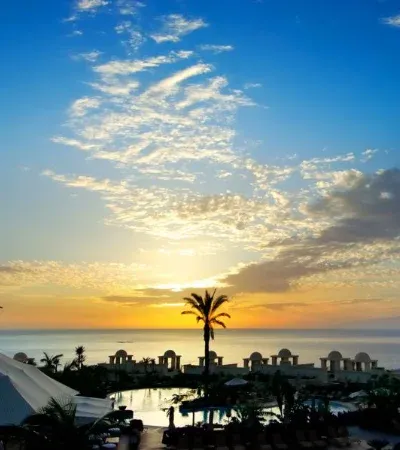
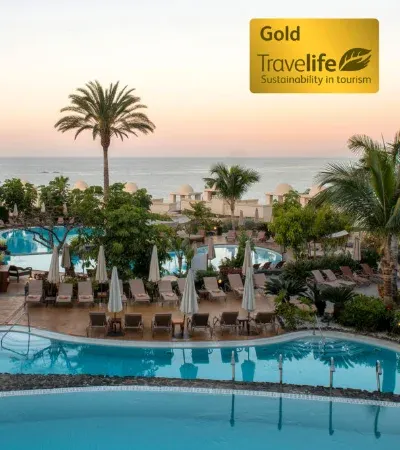
After spending the day exploring villages, visiting churches, walking through cobbled streets or discovering volcanic landscapes, it is also nice to have somewhere to return to and rest. In this sense, Costa Adeje is a good base for combining excursions around the island with moments of relaxation by the sea. In the morning you can set off towards Masca, Garachico or Vilaflor and, on your return, leave the roads behind and end the day by the pool or contemplating the Atlantic.
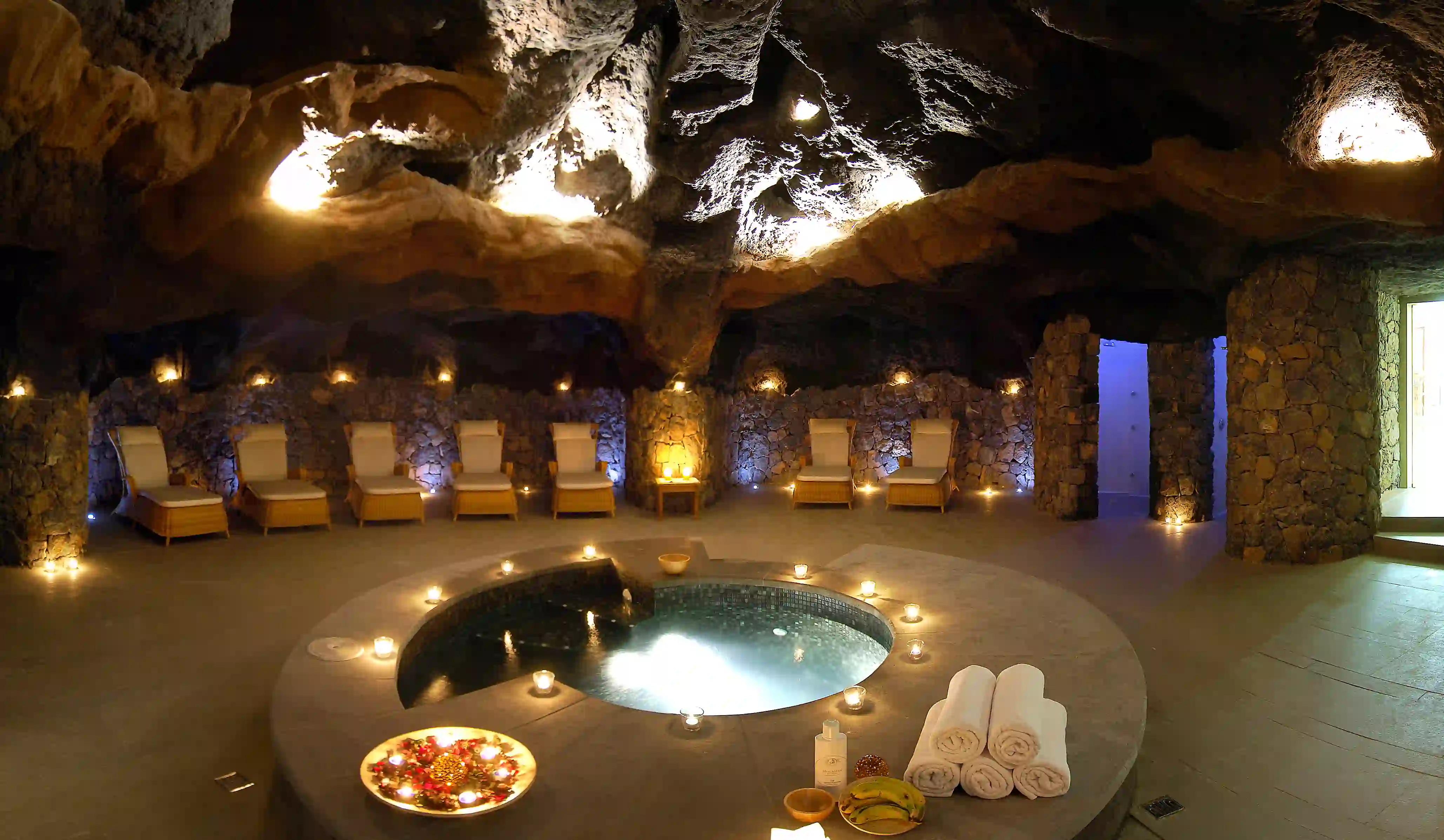 Spa at the Vincci Selección La Plantación del Sur 5* Hotel.
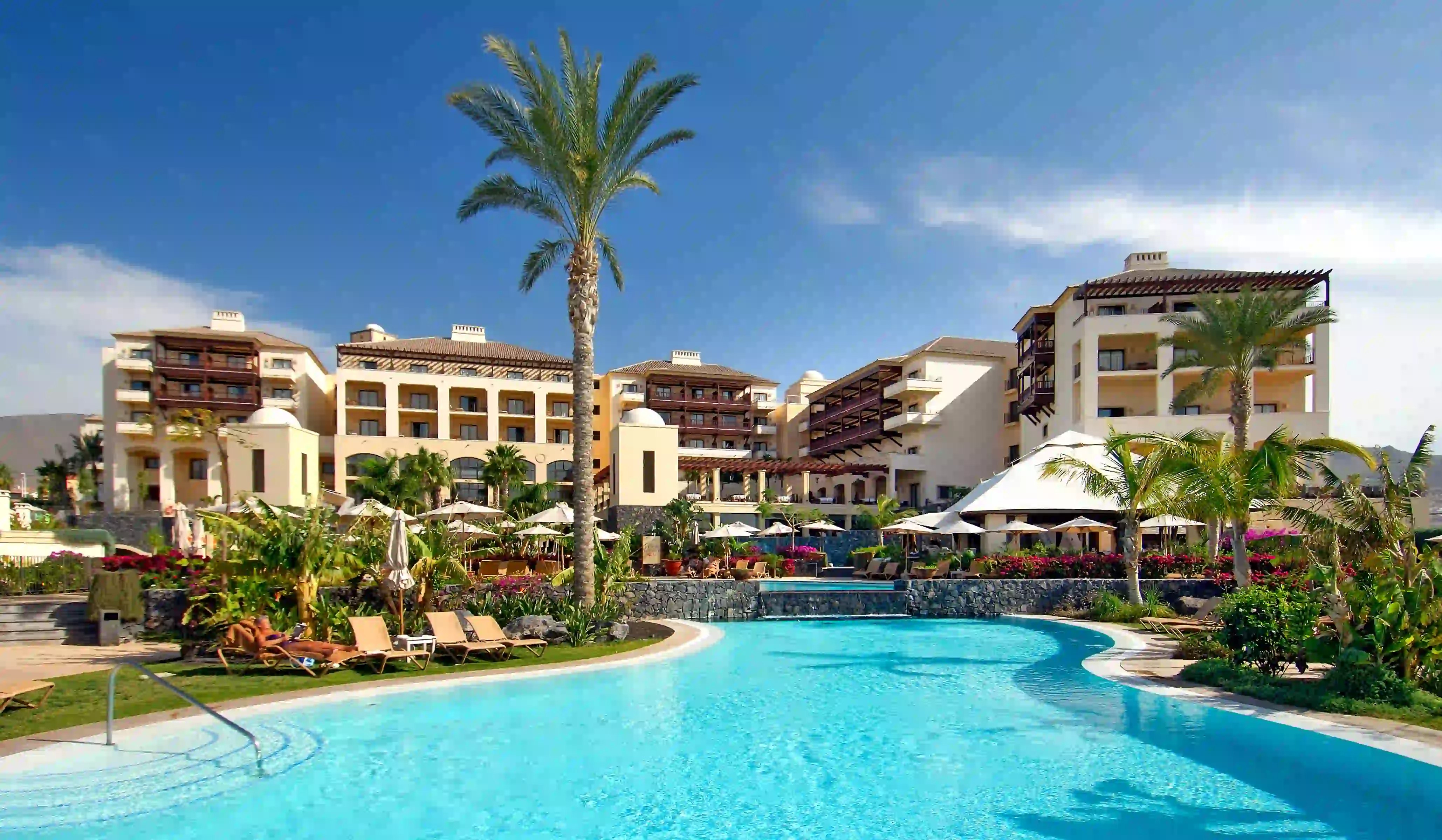 Pool at the Vincci Selección La Plantación del Sur 5* Hotel.
In this area you will find the hotel Vincci Selección La Plantación del Sur 5*, located in Costa Adeje, around 500 metres from Playa del Duque. Surrounded by gardens and with five pools, the hotel also has the Nammu Areas Spa, a 2,500 m² space designed to switch off after a day discovering Tenerife. It is easy to imagine the plan: a morning among villages and volcanoes, an afternoon of relaxation and, at the end of the day, the sea as a backdrop.
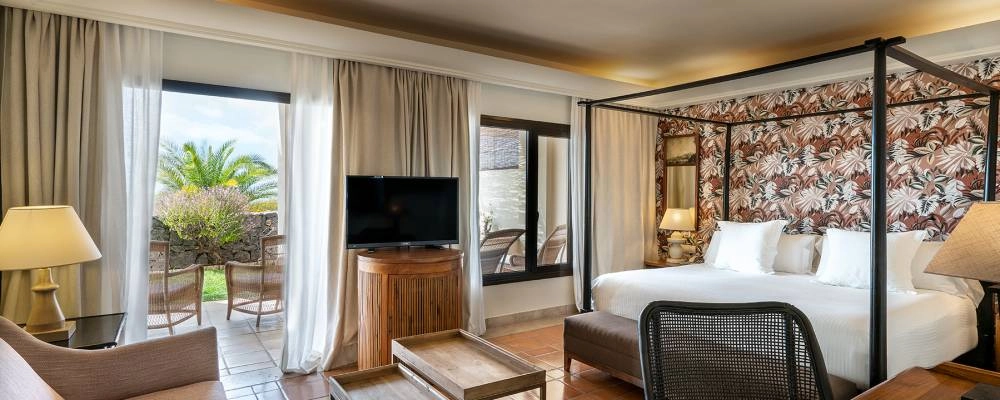 Garden villa at the Vincci Selección La Plantación del Sur 5* Hotel.
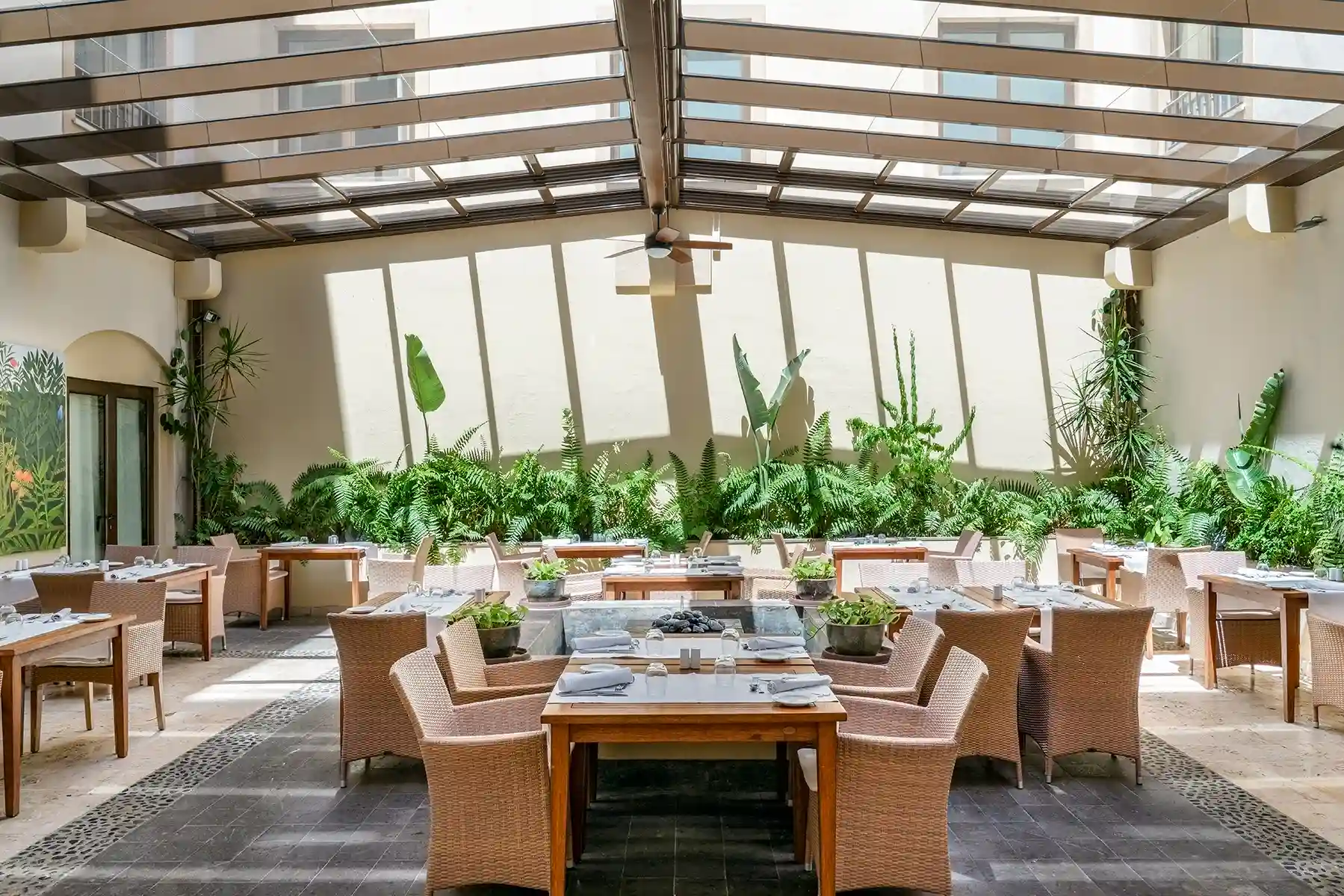 Restaurant at the Vincci Selección La Plantación del Sur 5* Hotel.
The location in the south also allows you to enjoy these two rhythms of the trip. You can dedicate a few days to exploring the villages in the west, the mid-altitude areas or the north and then return to an environment designed for relaxation.
Conclusion
Tenerife is much more than its beaches, its major tourist centres or Mount Teide. Exploring its villages allows you to discover a much more diverse island, with historic centres such as La Laguna, La Orotava or Garachico, small rural settlements such as Teno Alto or Arafo and landscapes as different as the ravines of Anaga, the volcanoes of the west or the pine forests of Vilaflor. Each route offers a different way of getting to know the island and discovering its traditions, gastronomy and heritage.
For this reason, including some of the villages of Tenerife in your trip is a good way to discover its most authentic and lesser-known side. It does not matter whether you are looking for history, nature, gastronomy or simply want to get away from the busiest areas for a few hours: you will find villages for every type of trip and landscapes that will make you see Tenerife from a different perspective.
Enjoy your travels more
subtitle_categories_andromeda
Vincci Talks
Our podcast, a series of close encounters where relaxed conversations are held on various topics of general interest, with special guests who bring their expert and unique insights.
View moreVincci Expert
Immerse yourself in Vincci Local Expert and explore the best of each destination where our hotels are located. From local events to exclusive activities at our establishments, here you will find everything you need to live a Vincci experience.
View moreVincci Experiences
Explore the space where we store all the unique experiences you can have with us.
View moreVincci Getaways and destinations
Discover in our blog all the information about getaways and holiday destinations you need.
View moreVincci Gastronomy
Explore our posts section about the exquisite gastronomy we offer.
View moreUnique Events
Explore our posts section, the place to discover detailed information about special events, both social and corporate.
View moreTravel tips and recommendations
Our selection of posts offering an indispensable guide to finding tips and recommendations that inspire every journey.
View moreVincci Sustainable and responsible
Discover in our posts section about our sustainable and responsible initiatives.
View moreVincci Corporate Hotels
Our section of highlighted news reflecting the excellence and trajectory of our hotel chain.
View more