Lisbon tile trail: discover the art that covers its façades Vincci Hoteles

Lisbon tile trail: discover the art that covers its façades
Lisbon tile trail: discover the art that covers its façades
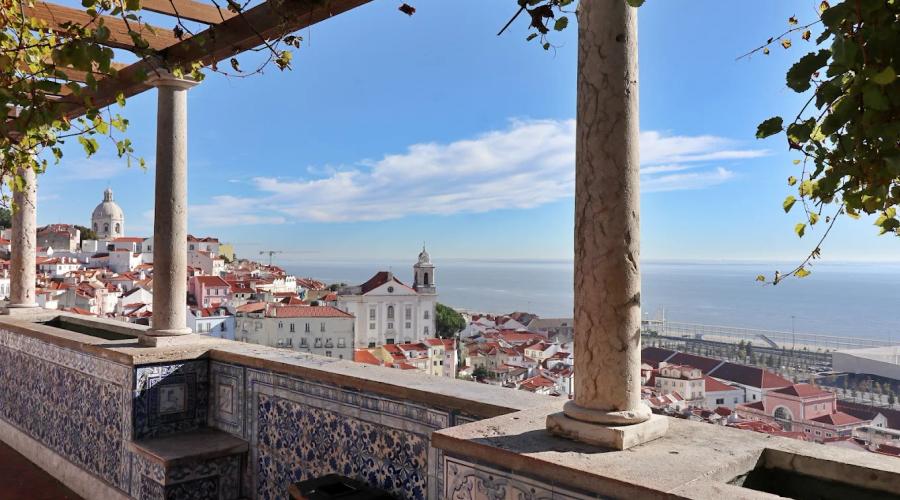
What Are Azulejos and Their Link to Traditional Ceramics
The history of Portuguese azulejos is as ancient as it is fascinating. They arrived in the country through Arab influence and soon became a form of artistic expression. From the 16th century onward, Portuguese workshops adapted Moorish techniques to their own style, giving rise to the Luso tile we instantly recognize today.
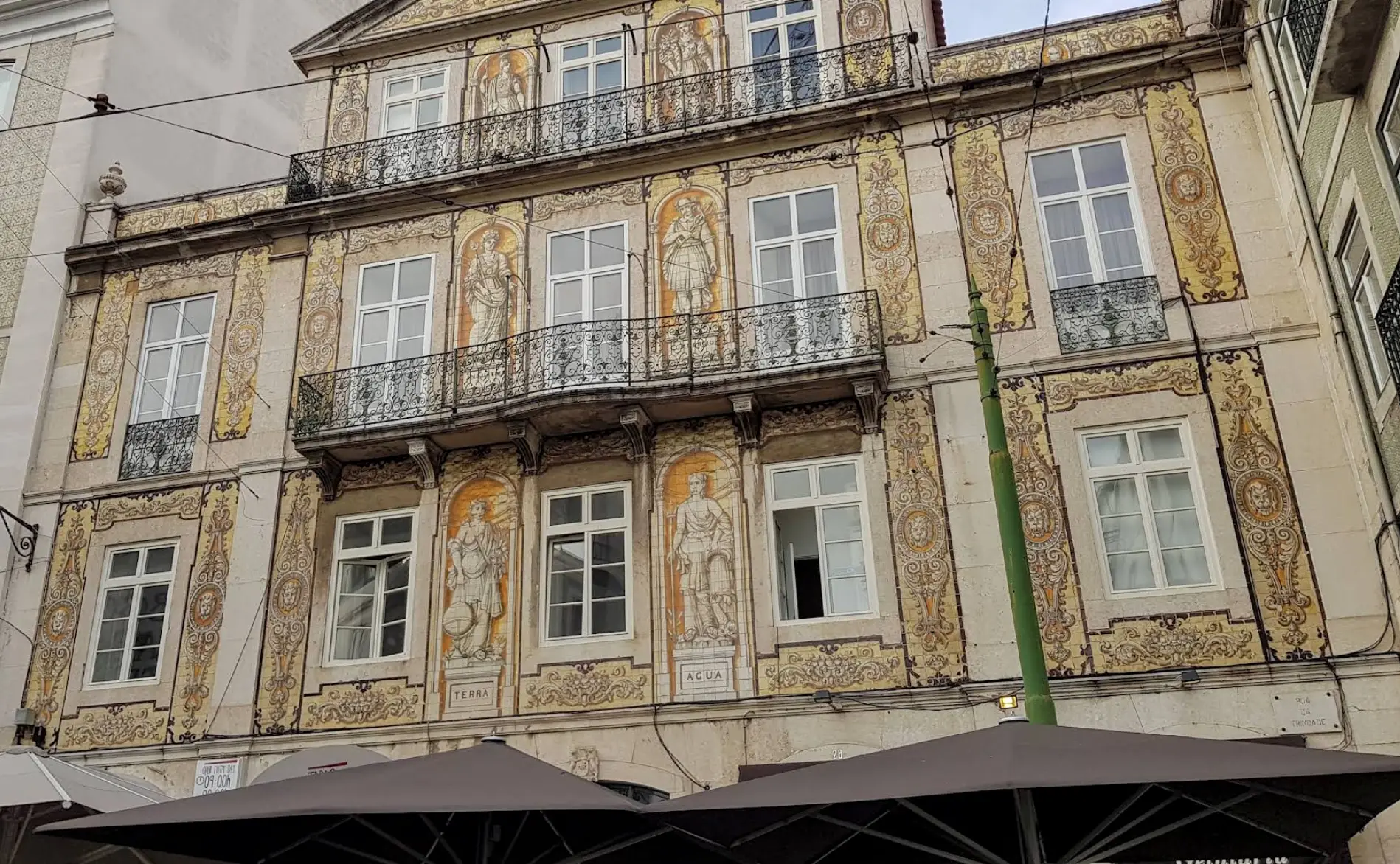
Over time, this ceramic art moved from interiors to façades. Its durability, ability to reflect light, and decorative appeal made it both practical and beautiful. After the 1755 earthquake, which completely reshaped the city, azulejos became the visual emblem of Lisbon’s rebirth, thanks to their geometric patterns, floral motifs, and historical scenes that began to cover entire walls.
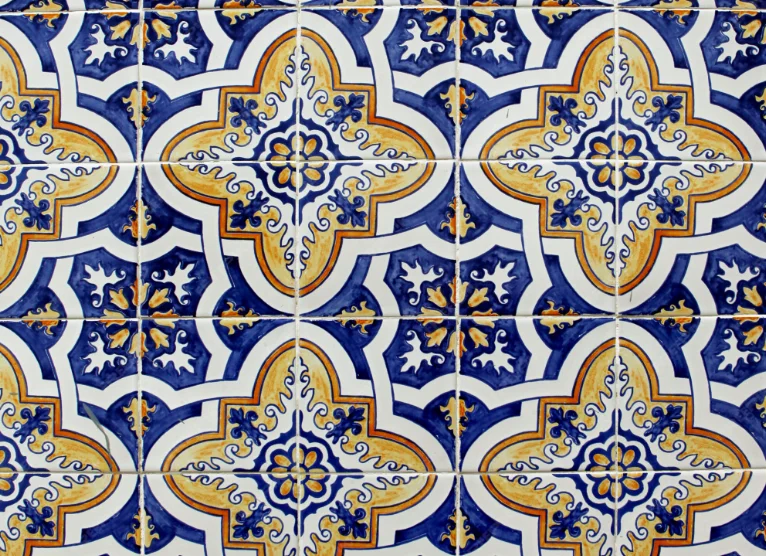
From Clay to Façade: The Art Behind Each Piece
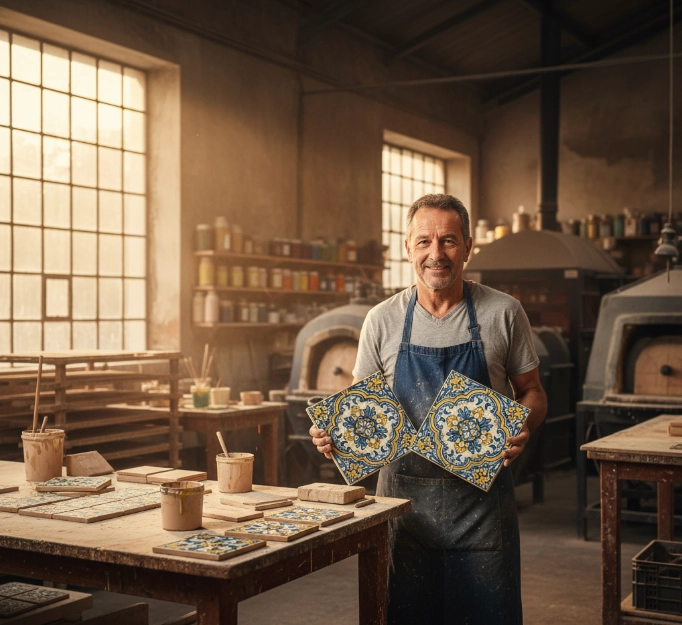
The process of creating a traditional tile is almost ritualistic. The clay is shaped, fired, glazed, and finally hand-painted. It’s a craft that requires precision and patience. Each piece is unique, with small variations that make Lisbon’s façades resemble unrepeatable tapestries.
More Than Decoration: A Symbol of Identity
In Lisbon, azulejos are an essential part of urban identity. They began as a practical way to protect façades from Atlantic humidity, but over time they became an artistic expression that tells the story of Portugal. You’ll find religious scenes, maritime journeys, monarchical symbols, and geometric motifs that reflect centuries of cultural influences.
Beyond decoration, azulejos serve as visual archives of the city: they reveal how architecture, decorative styles, and even Lisbon’s personality have evolved. Walking through the city is like reading its walls — understanding how each era left its mark and why this ceramic art remains a core symbol of Lisbon’s identity.
Recommended Route Through the Best Tiles of Lisbon
Alfama, the Ceramic Soul of the City
The best way to begin your route through Lisbon’s tiles is in Alfama, the city’s oldest neighborhood, located between São Jorge Castle and the Tagus River. It still preserves the medieval layout that survived the great 1755 earthquake.
Beyond its façades, Alfama is filled with artisan workshops, small ceramic shops, and cafés where you can enjoy a freshly baked pastel de nata — or traditional taverns serving grilled sardines with a glass of Vinho Verde.
Viewpoints and Stations Where Art Continues
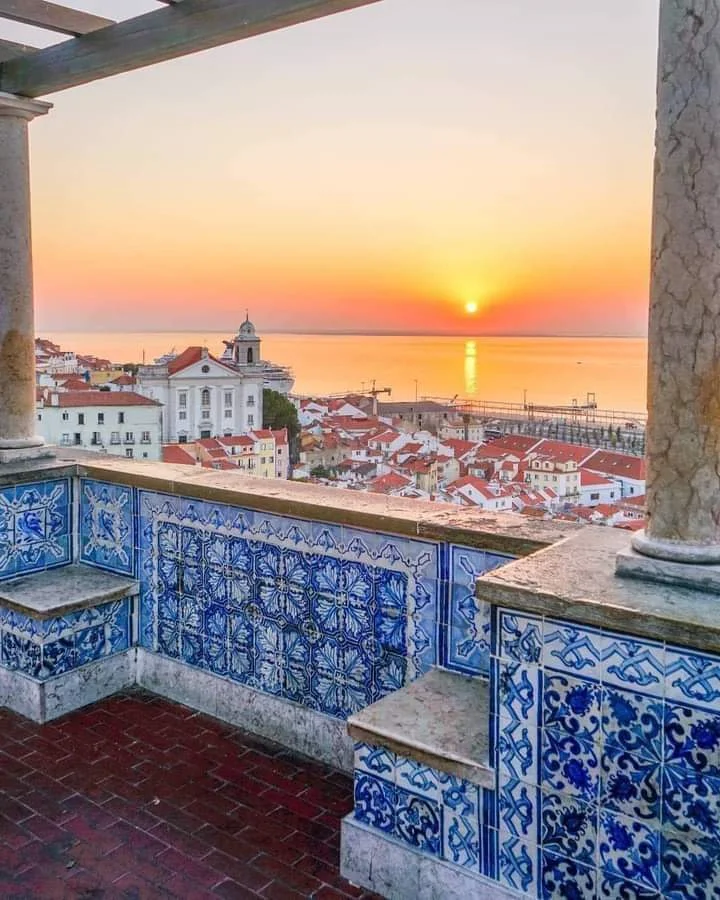
Beyond Alfama, Lisbon’s love for ceramics continues in unexpected corners. One of the most iconic is the Miradouro de Santa Luzia, where blue and white panels depict historical scenes framed by bougainvillea and one of the most photographed views of the Tagus.
Tile art also lives underground — you must visit the Lisbon Metro, which has become a contemporary gallery where each station has its own style. Olaias, with its vibrant composition of forms and colors, and Cais do Sodré, with its sleek and modern design, show that in Lisbon, ceramics are part of every journey.
Factories and Museums That Keep Tradition Alive
No route would be complete without visiting the places where this craft remains alive. The Viúva Lamego Factory, founded in the 19th century, features a permanent exhibition that traces the evolution of Portuguese tilework. Meanwhile, the Sant’Anna Factory, active since the 18th century, continues to hand-paint each piece with the same care and technique as over two centuries ago. Both offer guided tours and shops where you can purchase true works of art.
To fully understand the history and meaning of this Lisbon icon, a visit to the National Tile Museum is a must. Housed in a former 16th-century convent, it contains one of the world’s most extensive collections and showcases how azulejos have accompanied Portugal throughout its history.
Stay at Vincci Hoteles in Lisbon
After exploring Lisbon’s most beautiful façades, you deserve to rest somewhere that carries the same charm. Our Vincci Hoteles in the city offer just that — spaces with Portuguese soul, designed to extend the cultural experience of your journey.
Vincci Baixa 4*, located in the heart of the city, is just a short walk from Alfama or Praça do Comércio. Its Baixa Restaurant offers local cuisine reinterpreted with a contemporary twist — the perfect way to end the day.
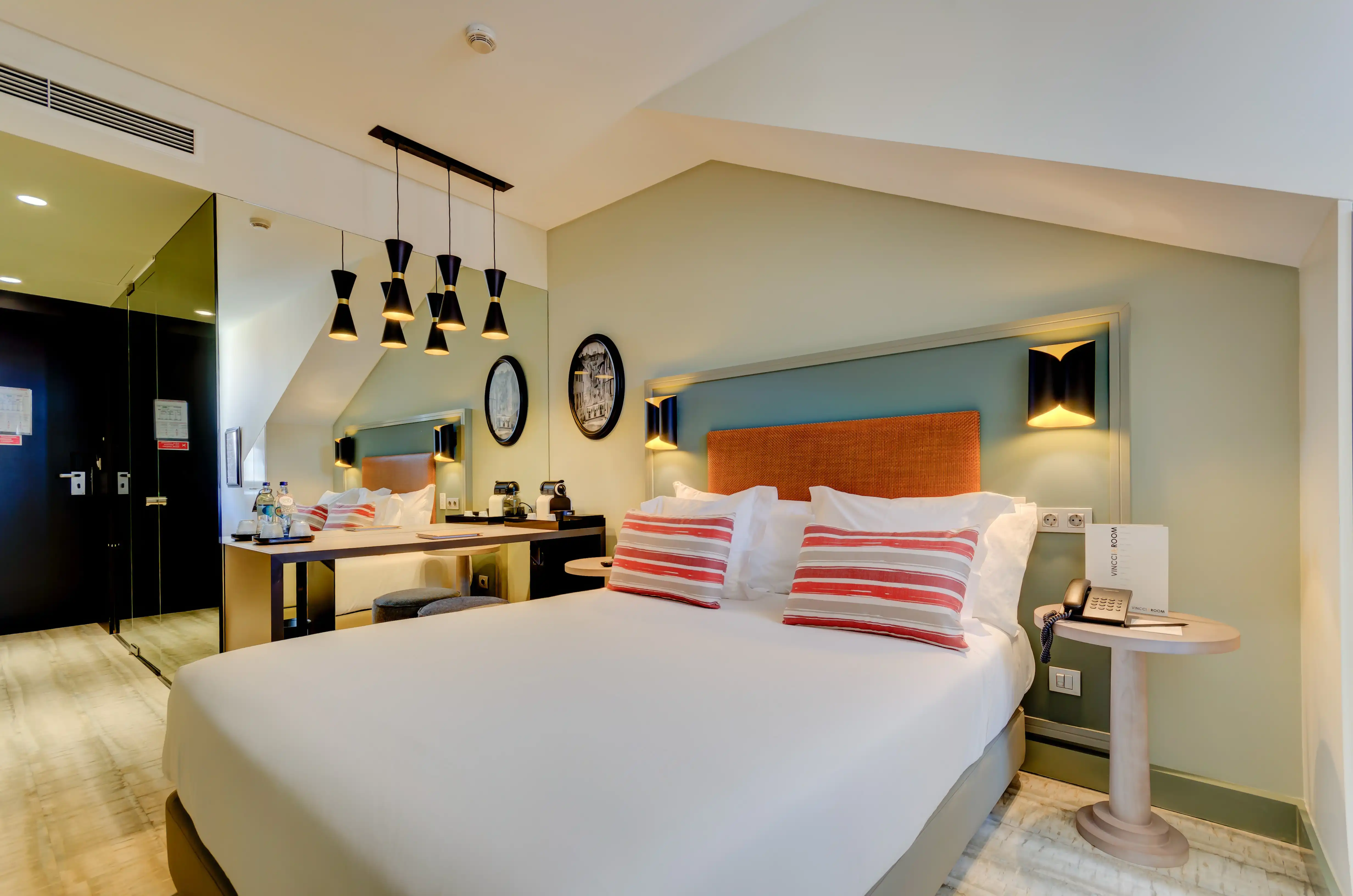
Vincci Alfama 4* invites you to discover Lisbon from its most intimate side. Its panoramic terrace, with direct views of the Tagus, is the perfect setting to enjoy the sunset. Inside, the warm atmosphere and lounge bar with soft music make it the ideal retreat after a day exploring the historic center.
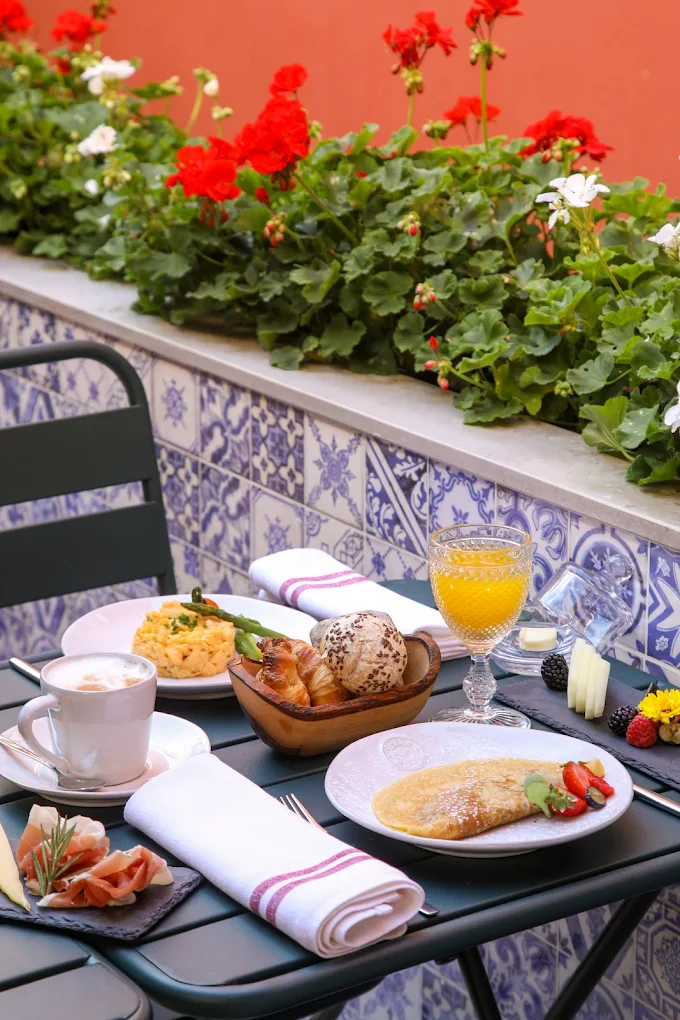
For a more contemporary Lisbon experience, Vincci Liberdade 4* combines modernity and serenity along one of the city’s most elegant avenues. Its spacious, bright rooms, landscaped courtyard, and Liberdade 35 Restaurant reflect the balance of design and comfort that defines the chain.
Practical Tips and Travel Recommendations
Best Time for the Route
Take the tour early in the morning or at sunset, when the golden light enhances the details of every tile and the streets are quieter. Avoid the central hours of the day, especially in summer.
Ideal Duration of the Route
One day is enough for an introduction. To go deeper, plan two days and add factory or museum visits.
Gastronomy and Sustainability
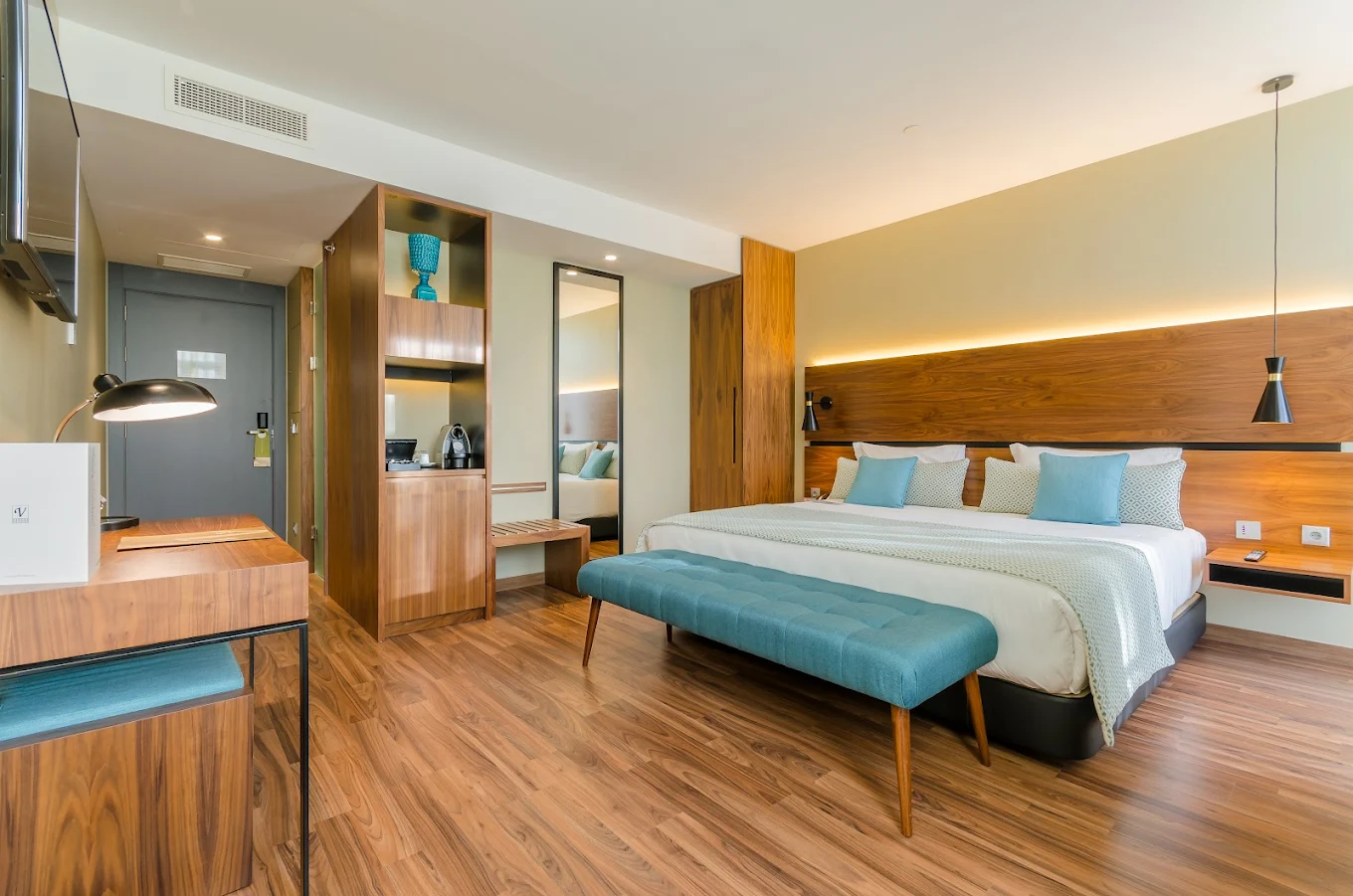
Along the way, you’ll find small taverns where you can try traditional recipes like codfish or pastéis de nata, paired with a fine Portuguese wine. If you’d like to extend your trip, explore more charming places between Lisbon and Porto, where ceramics and culture continue to shine.
After wandering its streets, seeing the Tagus reflected on the façades, and losing yourself among tiles that tell centuries of history, you’ll understand that Lisbon isn’t just visited — it’s felt. Let yourself be wrapped in its light, its flavors, and its slow rhythm. Discover how history and comfort coexist in one place. And remember: your Lisbon experience begins at Vincci Hoteles.
Enjoy your travels more
subtitle_categories_andromeda
paragraph_categories_andromeda
Vincci Talks
Our podcast, a series of close encounters where relaxed conversations are held on various topics of general interest, with special guests who bring their expert and unique insights.
View moreVincci Expert
Immerse yourself in Vincci Local Expert and explore the best of each destination where our hotels are located. From local events to exclusive activities at our establishments, here you will find everything you need to live a Vincci experience.
View moreVincci Experiences
Explore the space where we store all the unique experiences you can have with us.
View moreVincci Getaways and destinations
Discover in our blog all the information about getaways and holiday destinations you need.
View moreVincci Gastronomy
Explore our posts section about the exquisite gastronomy we offer.
View moreUnique Events
Explore our posts section, the place to discover detailed information about special events, both social and corporate.
View moreTravel tips and recommendations
Our selection of posts offering an indispensable guide to finding tips and recommendations that inspire every journey.
View moreVincci Sustainable and responsible
Discover in our posts section about our sustainable and responsible initiatives.
View moreVincci Corporate Hotels
Our section of highlighted news reflecting the excellence and trajectory of our hotel chain.
View more


