Roscón or Panettone? The ultimate Christmas debate that no one can agree on Vincci Hoteles

Roscón or Panettone? The ultimate Christmas debate that no one can agree on
Roscón or Panettone? The ultimate Christmas debate that no one can agree on
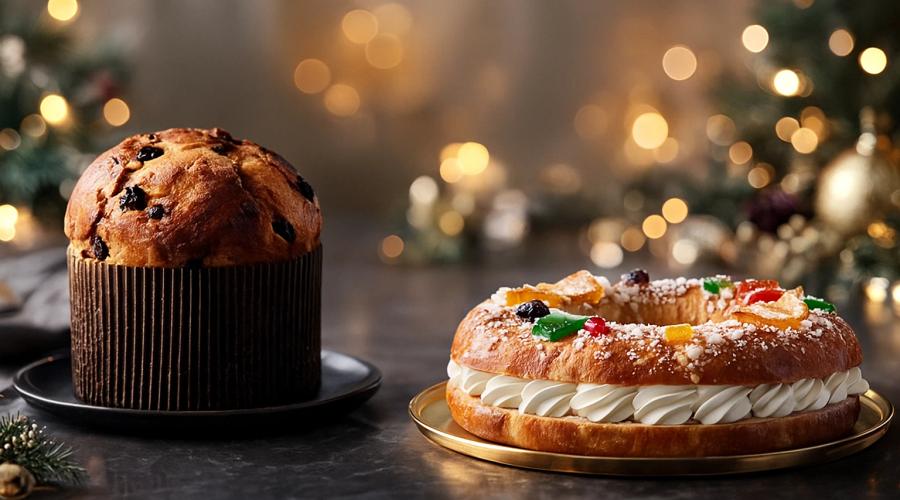
Origin and tradition
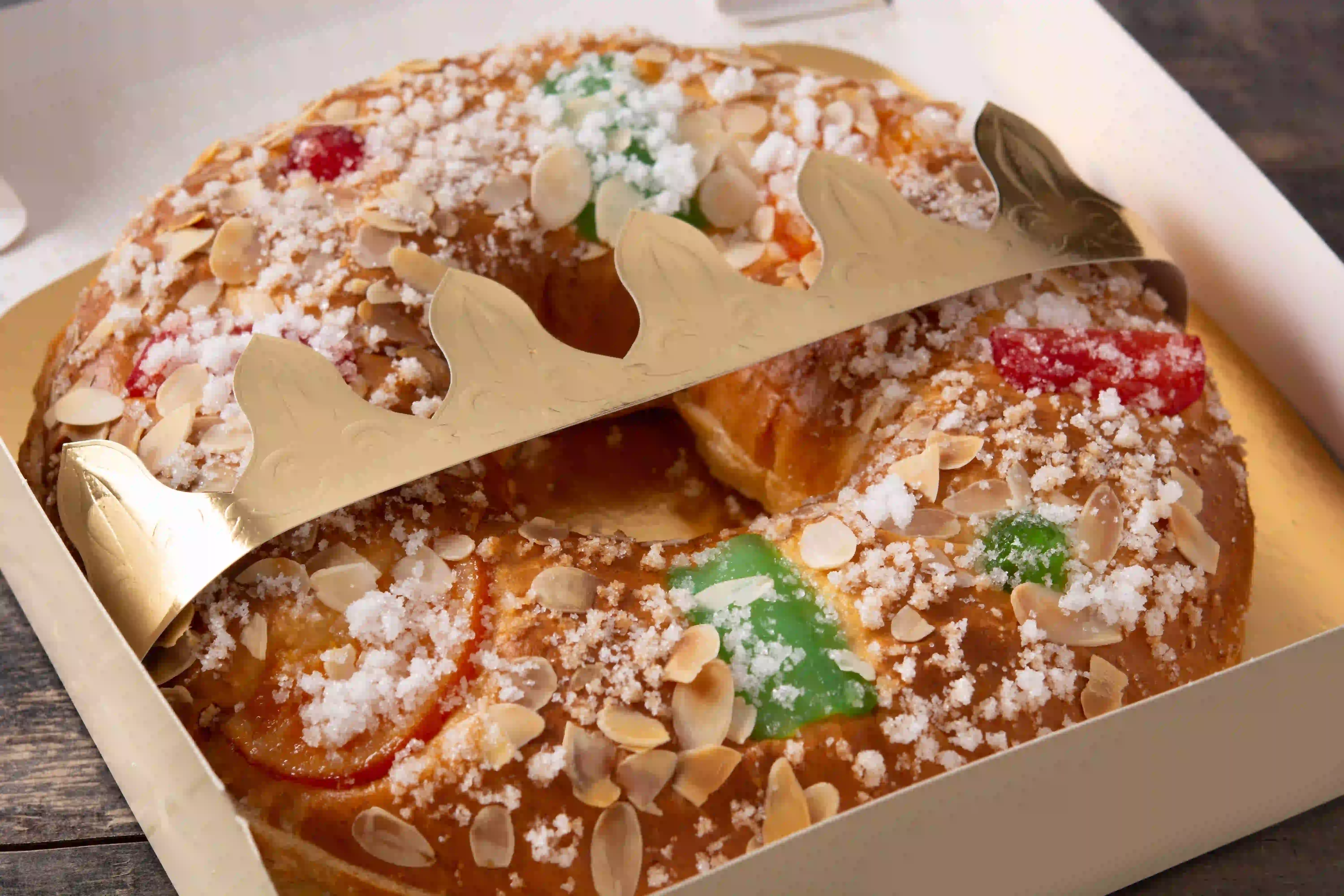
History of the roscón
The Roscón de Reyes has a much older origin than it might seem. Its history goes back to Roman Europe, where there was already a sweet cake made with flour, honey and nuts to celebrate the Saturnalia, the winter solstice festivities dedicated to Saturn.
As this tradition became integrated into Christian culture, the gesture of hiding a bean appeared and richer ingredients such as butter were added, along with characteristic aromas like orange blossom water. With all these influences, that festive bread eventually evolved into the sweet treat that is now enjoyed every 6 January in Spain.

Evolution of panettone
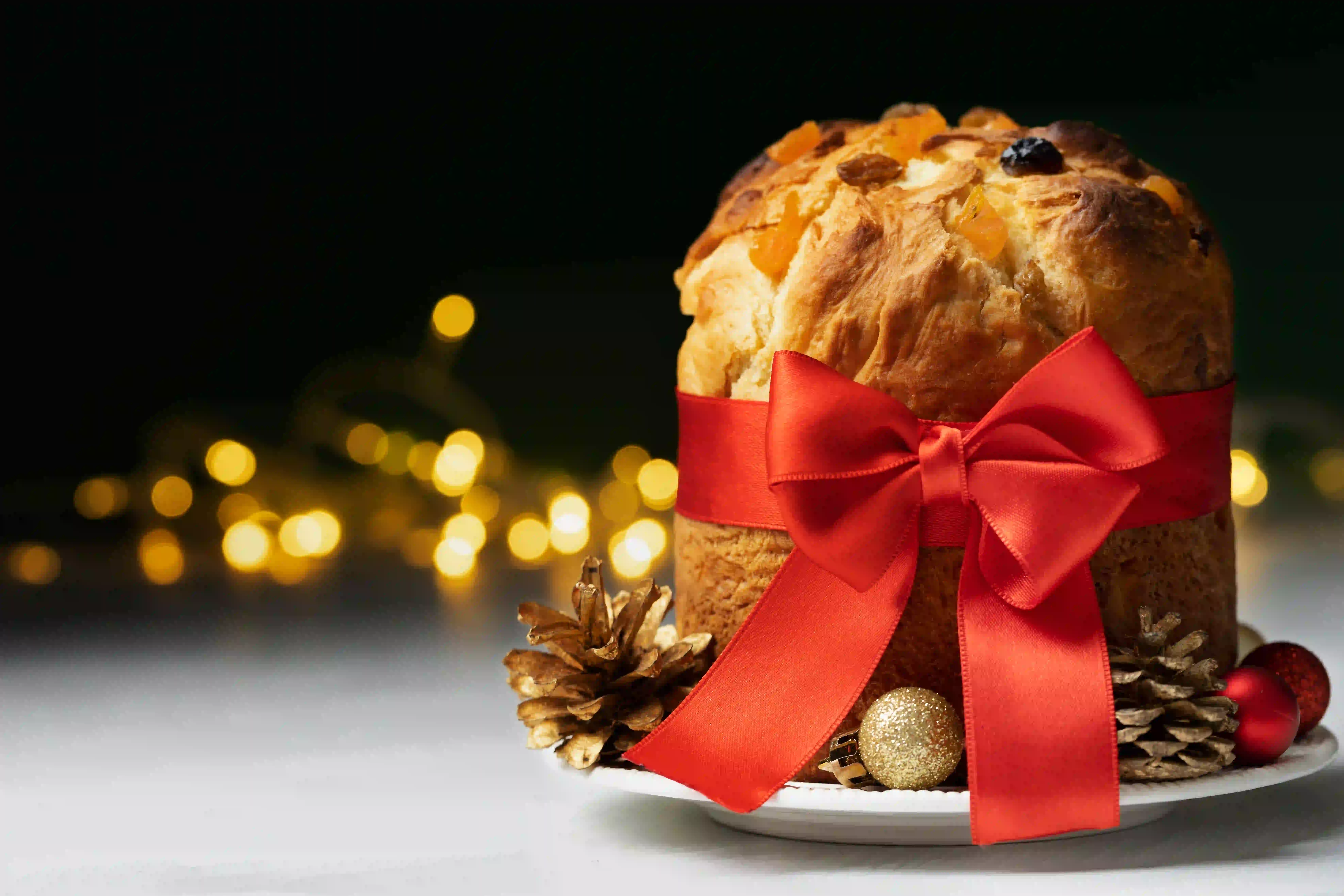
The history of panettone is wrapped in a certain mystery. One of the most widespread versions places its origin in the court of Ludovico il Moro, in the 15th century, when a kitchen assistant improvised a sweet bread with candied fruit to save a banquet. Another theory points to a medieval bread already made in Milan at Christmas time.
What is documented is that, between the 19th and 20th centuries, Milanese pastry chefs perfected this sweet using advanced fermentation techniques, developing its characteristic open, airy crumb and popularising the custom of hanging the panettone upside down after baking to preserve its fluffiness.
Preparation of both sweets
Ingredients and recipe for a homemade roscón
To make a good Roscón de Reyes, you will need the following ingredients:
- Strong bread flour (500 g)
- Milk (200 ml)
- Sugar (100 g)
- Butter (80 g)
- 2 eggs
- Fresh yeast (20 g)
- Orange and lemon zest
- Orange blossom water (1 tablespoon)
- Salt (a pinch)
- Candied fruit
- Sugar for decorating
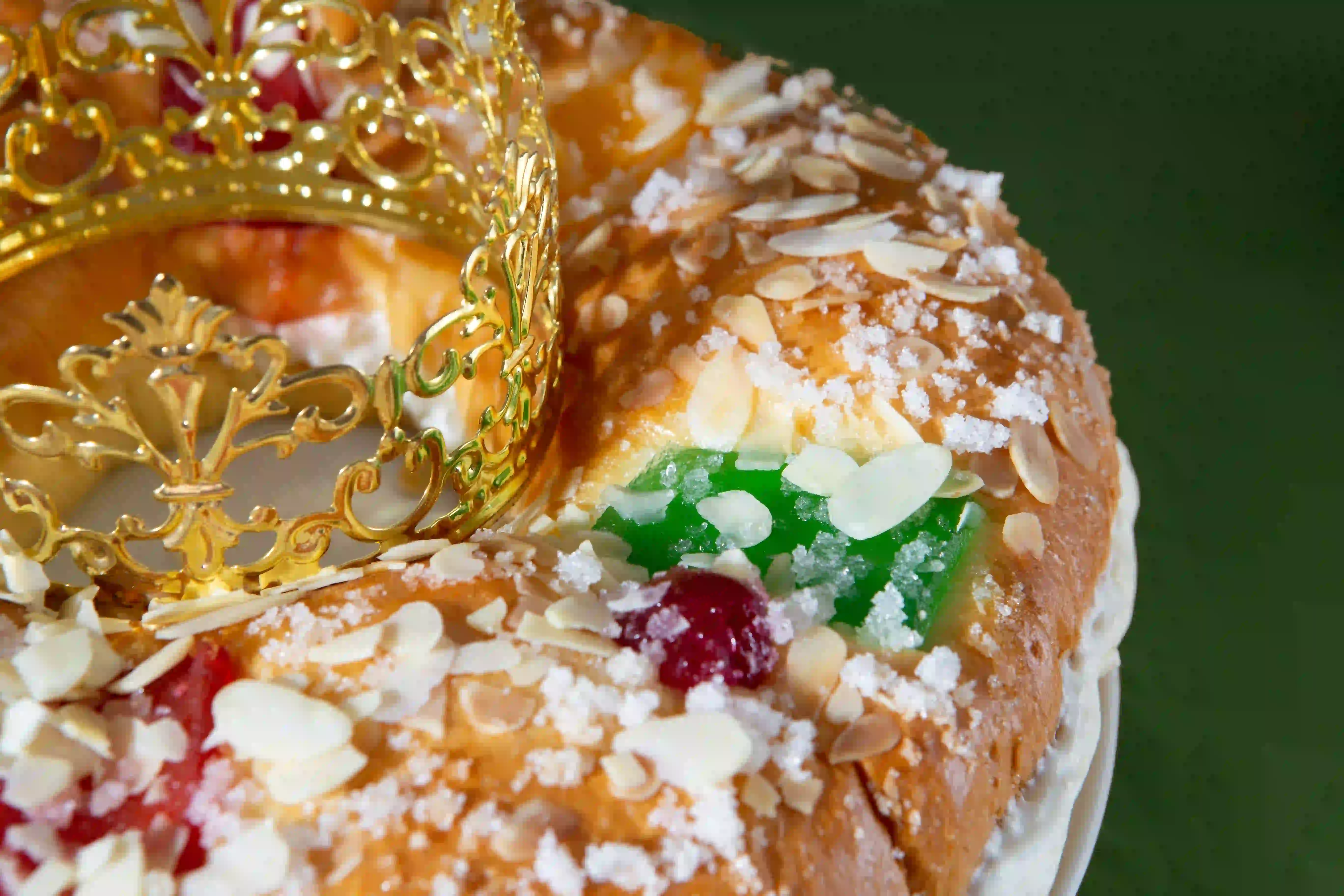
Cooking steps:
- Mix the warm milk and yeast. Add the eggs, sugar, citrus zest and orange blossom water.
- Add the flour and salt to the mixture and knead until combined. Add the softened butter and continue kneading until you obtain a smooth dough.
- Leave to rise for 2 hours.
- Shape the dough into a ring, place it on a baking tray and leave to rise again for 1 hour.
- Decorate with fruit and sugar.
- Bake at 180 ºC for 20–25 minutes.
Ingredients and recipe for a homemade panettone
To make a homemade panettone, you will need:
- Strong bread flour (500 g)
- Sugar (120 g)
- Butter (120 g)
- 3 eggs + 1 yolk
- Milk (120 ml)
- Fresh yeast (25 g)
- Raisins and candied orange (150 g)
- Vanilla
- Orange zest
- Salt (a pinch)
Cooking steps:
- Dissolve the yeast in the warm milk and mix with the eggs, sugar, zest and vanilla.
- Add the flour and salt, and knead. Incorporate the softened butter until you obtain an elastic dough.
- Fold in the fruit and leave to rise for 3 hours.
- Place the dough in a panettone mould and leave to rise for a further 1–2 hours.
- Bake at 170 ºC for 45–55 minutes.
- (Optional) Hang the panettone upside down using skewers to keep the crumb light and airy.
Texture: the softness of roscón vs. the fluffiness of panettone
Once we know a basic recipe for both, we can focus on one of their main differences: the texture. Roscón offers a tender, light crumb, more similar to a soft brioche with a citrus touch. It is uniform and relatively compact, designed to be paired with a filling that adds creaminess.
Panettone, however, boasts a more irregular structure, full of large air pockets that almost fall apart at the touch. This texture is a direct result of its slow fermentation and its high butter content, which gives it a deep juiciness and a warm mouthfeel.
Flavour: the roscón’s delicate aroma vs. the panettone’s intensity
Roscón leans towards a classic, delicate flavour profile. Its variations are mainly based on the fillings: whipped cream, chocolate cream, pastry cream, chocolate or more contemporary options such as praline or hazelnut cream.
Panettone, on the other hand, builds its flavour on a buttery, slightly lactic base. The classic version combines raisins and candied orange, although nowadays there is no shortage of options with chocolate, pistachio, marron glacé, tropical fruit, gianduja or spreadable creams. Its flavour is deeper, more aromatic and with a notable presence on the palate.
Pairings: how to enhance every bite
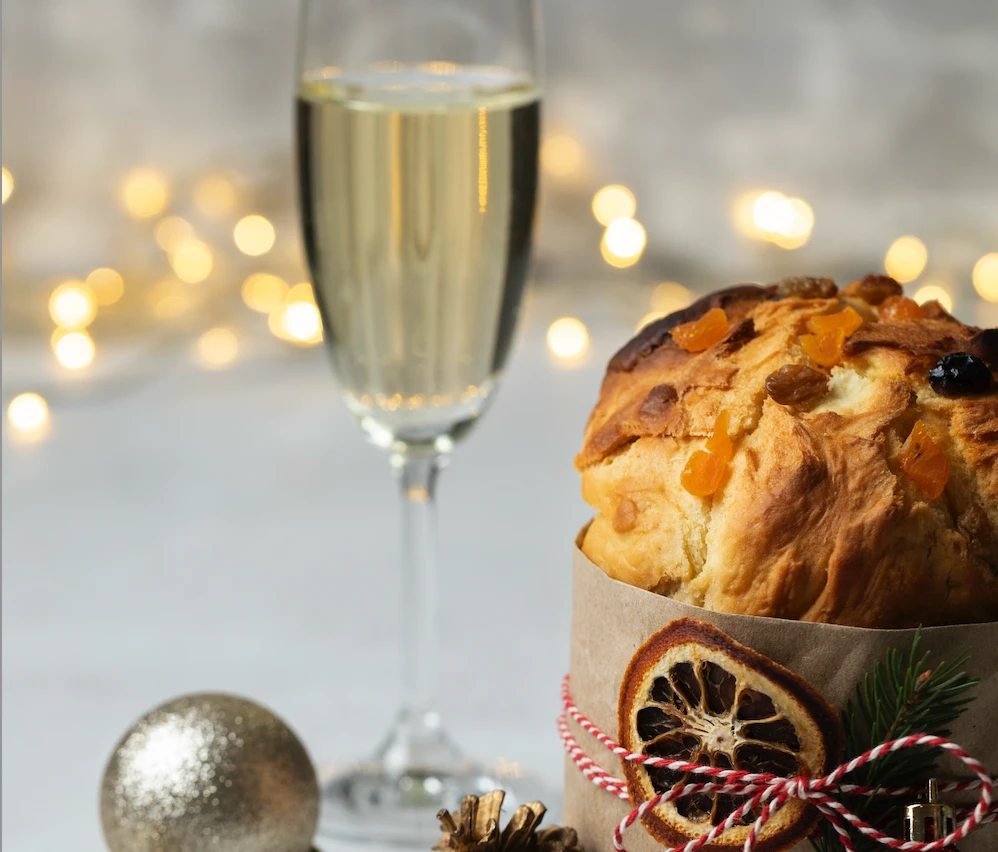
Roscón pairs particularly well with gentle, aromatic drinks that support its flavour without overpowering it, such as a light coffee or a citrus infusion. It also works with cava or lightly sweet sparkling wines, which balance out its sweetness.
Panettone, thanks to its greater intensity and nuances, allows for bolder pairings: dessert wines, fruity sparkling wines, amaretto or more darkly roasted coffees. Versions with chocolate go well with more indulgent combinations, while fruit-based ones call for drinks with a citrus touch.
The Christmas challenge: who wins this year?
Choosing between roscón and panettone means choosing between different traditions. The first is soft and aromatic; the second, intense and structured. Both have reinvented themselves to satisfy modern palates.
Today they coexist in bakeries, after-dinner conversations and hotels throughout the Christmas season. Each brings its own essence, its own history and its own way of enjoying this time of year. That is why, rather than pitting them against each other, this challenge is an invitation to celebrate Christmas by enjoying both on the table.
Enjoy your travels more
subtitle_categories_andromeda
paragraph_categories_andromeda
Vincci Talks
Our podcast, a series of close encounters where relaxed conversations are held on various topics of general interest, with special guests who bring their expert and unique insights.
View moreVincci Expert
Immerse yourself in Vincci Local Expert and explore the best of each destination where our hotels are located. From local events to exclusive activities at our establishments, here you will find everything you need to live a Vincci experience.
View moreVincci Experiences
Explore the space where we store all the unique experiences you can have with us.
View moreVincci Getaways and destinations
Discover in our blog all the information about getaways and holiday destinations you need.
View moreVincci Gastronomy
Explore our posts section about the exquisite gastronomy we offer.
View moreUnique Events
Explore our posts section, the place to discover detailed information about special events, both social and corporate.
View moreTravel tips and recommendations
Our selection of posts offering an indispensable guide to finding tips and recommendations that inspire every journey.
View moreVincci Sustainable and responsible
Discover in our posts section about our sustainable and responsible initiatives.
View moreVincci Corporate Hotels
Our section of highlighted news reflecting the excellence and trajectory of our hotel chain.
View more


