How to read a wine label: the secret to choosing the perfect bottle Vincci Hoteles

How to read a wine label: the secret to choosing the perfect bottle
How to read a wine label: the secret to choosing the perfect bottle
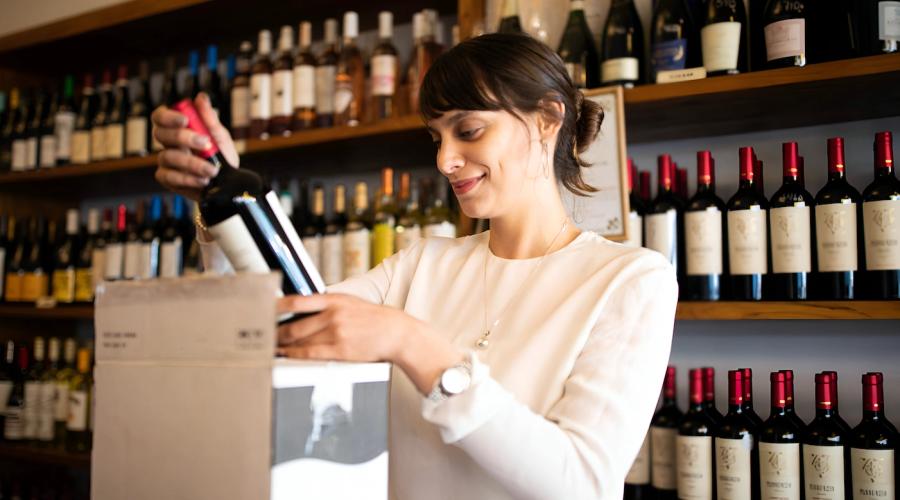
Why is it important to know how to read a wine label?
Choosing a wine is not just about being drawn to an attractive design or a suggestive name. Knowing how to interpret its label helps you understand the origin, style, and quality of the product.
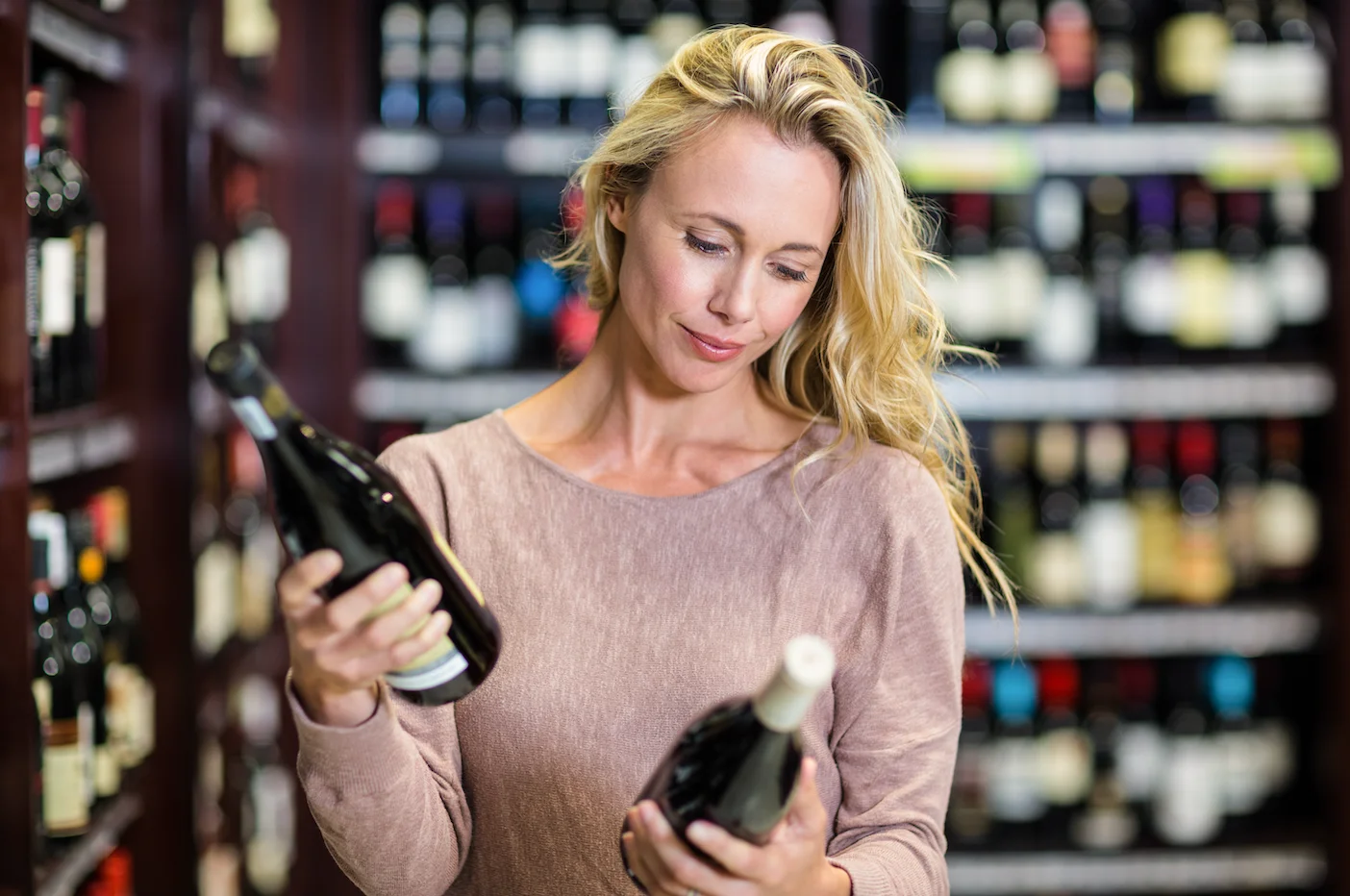
Origin and reputation
The label reveals where the wine was produced and, in many cases, its Designation of Origin (D.O.). This mark ensures that the wine meets specific production standards and comes from a defined wine-growing area. Recognizing it allows you to assess a winery’s trajectory and understand the influence of the terroir on the final result.
Personal preferences
The label also includes essential information such as the type of wine, the vintage, or the aging period. These details allow you to anticipate the wine’s style and check whether it matches your taste. If you prefer young wines, you’ll notice fresher and fruitier profiles, while aged wines tend to offer more body, depth, and complex nuances developed over time.
Occasion and pairing
Understanding the label helps you select the right wine for every occasion. It’s not the same to choose a bottle for a daily meal as for a celebration or a specific pairing. Analyzing the labeling information allows you to identify which wines best suit each type of dish or context, ensuring a more coherent choice for the moment.
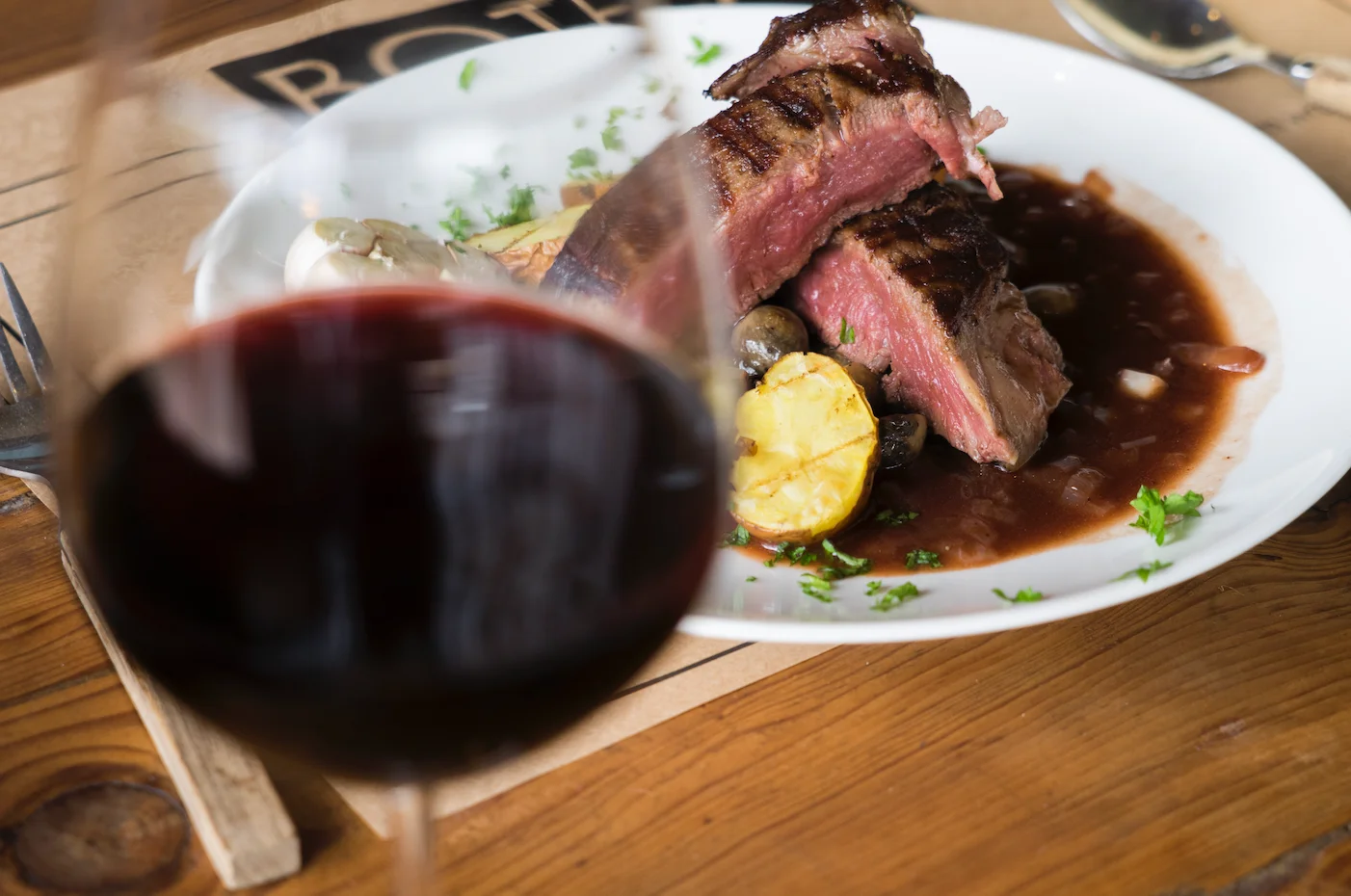
It’s important to remember that learning to read labels doesn’t make you an expert, but it does make you an informed consumer, capable of appreciating each wine with judgment and enjoying it with an understanding of the decisions behind its production.
Parts of a wine label: what to look for
Although every winery designs its labels with its own style, most include common elements worth knowing:
Wine name and producer
This usually appears in the main position. The name may refer to the estate, a registered brand, or a concept associated with the wine. Identifying the producer or winery is key to understanding its production line, history, and quality level.
Designation of Origin (D.O.) and geographical origin
The Designation of Origin identifies the region where the wine was produced and the rules that govern its production. This system guarantees that the wine comes from a specific wine-growing area and meets defined quality standards. In Spain, regions such as La Rioja, Ribera del Duero, or Rueda stand out for offering wines with distinctive characteristics.
Grape variety
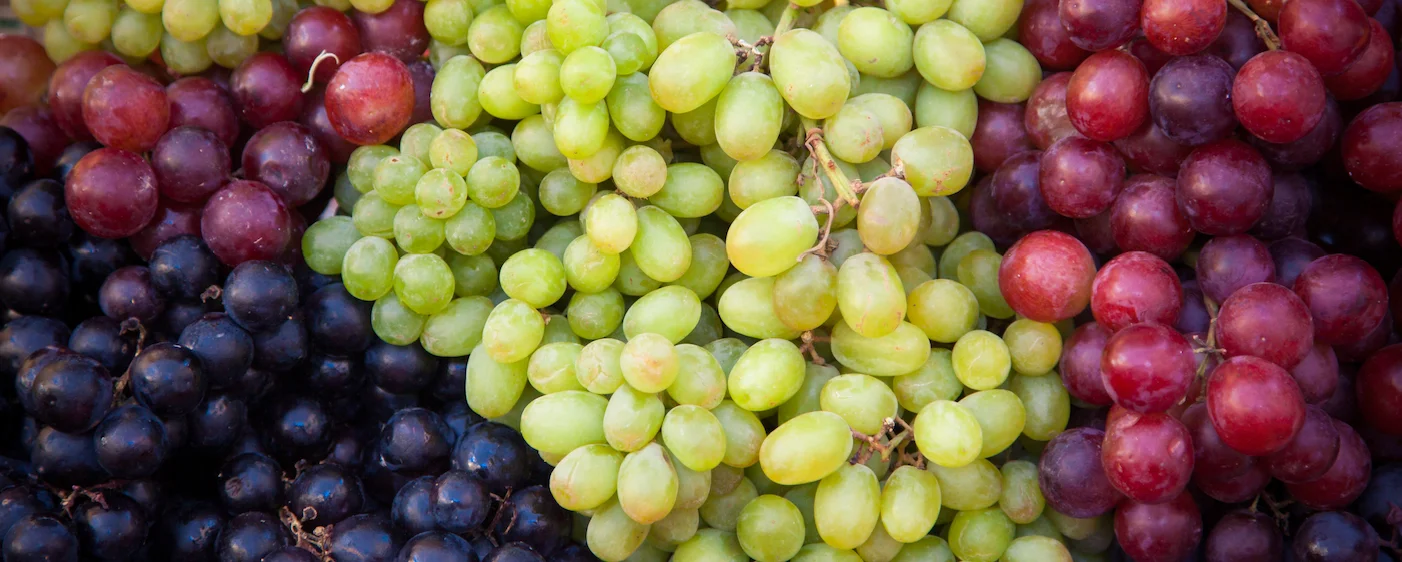
The grape variety largely determines the wine’s aromatic and flavor profile. The label may mention a single grape or a blend of several. Single-varietal wines tend to directly reflect the grape’s character, while blends or coupages provide more complexity and balance. Knowing the main varieties, both red — such as Tempranillo, Garnacha, or Cabernet Sauvignon — and white — such as Verdejo, Albariño, or Chardonnay — helps you anticipate the wine’s nuances before tasting it.
Vintage or harvest year
This refers to the year the grapes were harvested and used to make the wine. It’s important because weather conditions vary each season and can affect the final result. Paying attention to the vintage is especially useful when comparing different harvests of the same wine or selecting bottles meant for aging, whose cellaring potential depends largely on the quality of the year.
Aging classification
In Spain, most wines are classified according to how long they have aged in barrel and bottle before being released. This system indicates their degree of maturity and what style you can expect:
- Joven (Young): no aging or a very short stay in barrels.
- Crianza: at least six months in barrel and 18 in bottle.
- Reserva: at least 12 months in barrel plus additional bottle aging.
- Gran Reserva: extended aging, with a minimum of 18 months in barrel and 42 in bottle.
Recognizing this classification helps you understand the wine’s level of evolution and its aging potential.
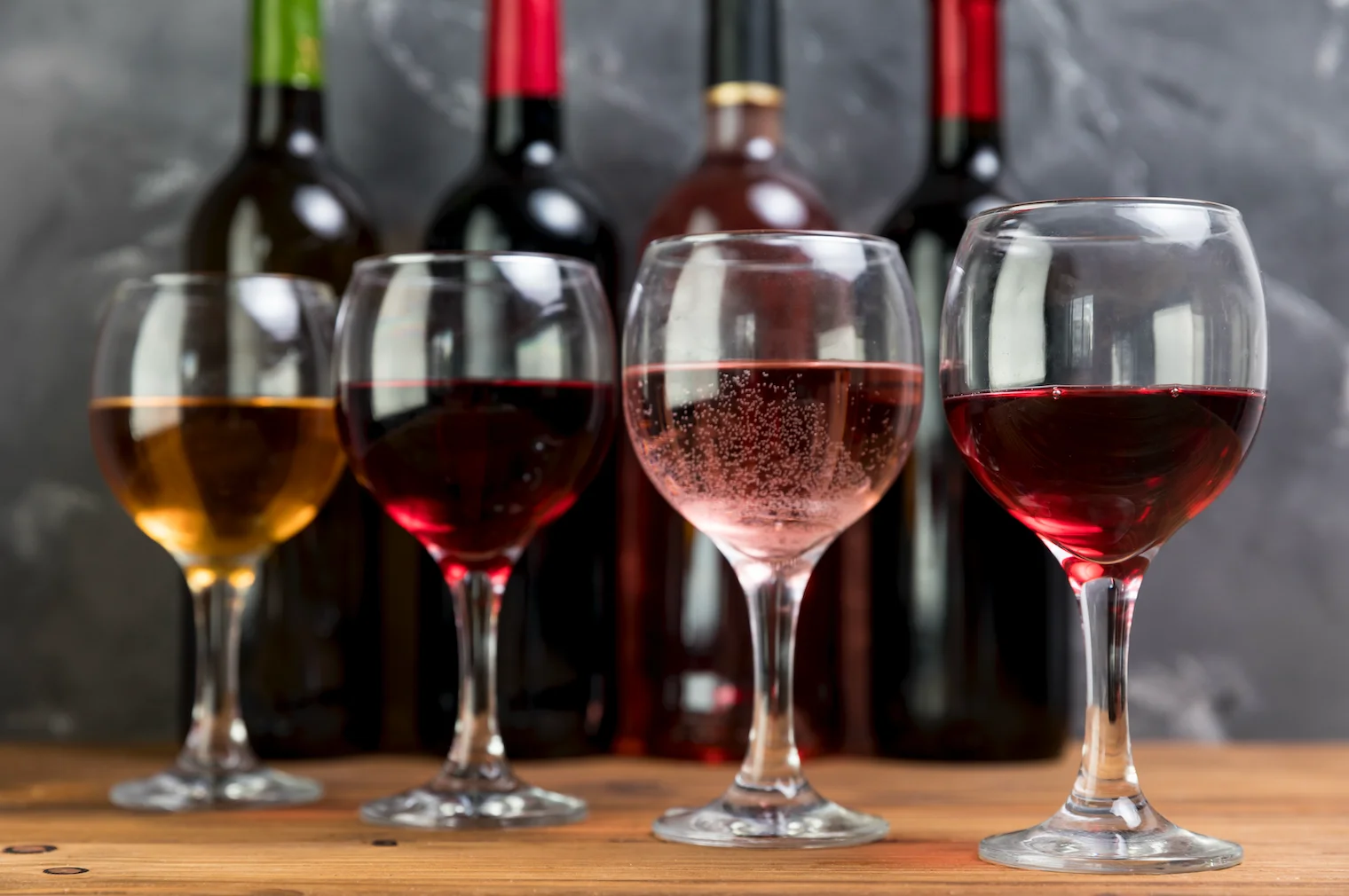
Alcohol content
Indicates the percentage of alcohol in the wine, expressed by volume. This value doesn’t determine quality but provides insight into its structure and mouthfeel.
Generally, wines with lower alcohol content tend to be lighter and fresher, while those with higher alcohol content usually show more body and persistence.
Presence of sulfites and other details
The mention of sulfites is mandatory on labels since these compounds act as preservatives and can cause reactions in sensitive individuals. Many labels also include additional details, such as organic certifications or sustainable farming methods, helping you better understand the product’s process and guarantees.
Other elements that may appear on the label
In addition to the main information, some labels include complementary details that expand the description of the wine and offer useful guidance about its production or consumption:
Tasting notes and pairing suggestions
Some wineries include sensory descriptions summarizing the predominant aromas, flavors, and textures of the wine. They may also add pairing recommendations to suggest which foods or dishes pair best with it.
Organic certifications or other quality seals
When a wine has certifications such as organic, biodynamic, or other specific accreditations, this information appears on the label. These seals ensure that production has followed sustainable practices and external controls that certify the traceability and transparency of the process.
QR codes and digital information
It’s increasingly common for labels to include QR codes linking to digital content such as technical sheets, videos, or additional information about the winery. This resource offers access to more details about the production process, the wine’s characteristics, or its context of origin.
Wine as an experience: beyond the label
Reading a label is just the first step toward understanding wine as a whole. Behind every bottle are geographical, cultural, and technical factors that influence its production.
Wine getaways: discover wine tourism in Spain with Vincci Hoteles
Wine tourism has become a way of traveling that combines learning and enjoyment. It consists of visiting wineries, learning about their production processes, and tasting wines in their place of origin. This type of tourism is growing because it unites three dimensions: cultural, gastronomic, and scenic.
Spain is one of the world’s leading destinations for wine tourism. Regions such as La Rioja, Ribera del Duero, Rueda, Priorat, Jerez, or Somontano stand out for the quality of their wines and the diversity of their landscapes.
If you’d like to explore these areas, Vincci Hoteles offers several strategically located options:
- Vincci Zaragoza Zentro 4*, ideal for visiting the Cariñena, Campo de Borja, and Campo de Calatayud Designations of Origin — three regions known for their tradition and variety.
- Vincci Consulado de Bilbao 4*, close to La Rioja, offering access to some of the country’s most iconic wineries.
- Vincci Ponte de Ferro 4*, in Porto, across from the historic cellars of Vila Nova de Gaia, the main hub of Port wine production and aging.

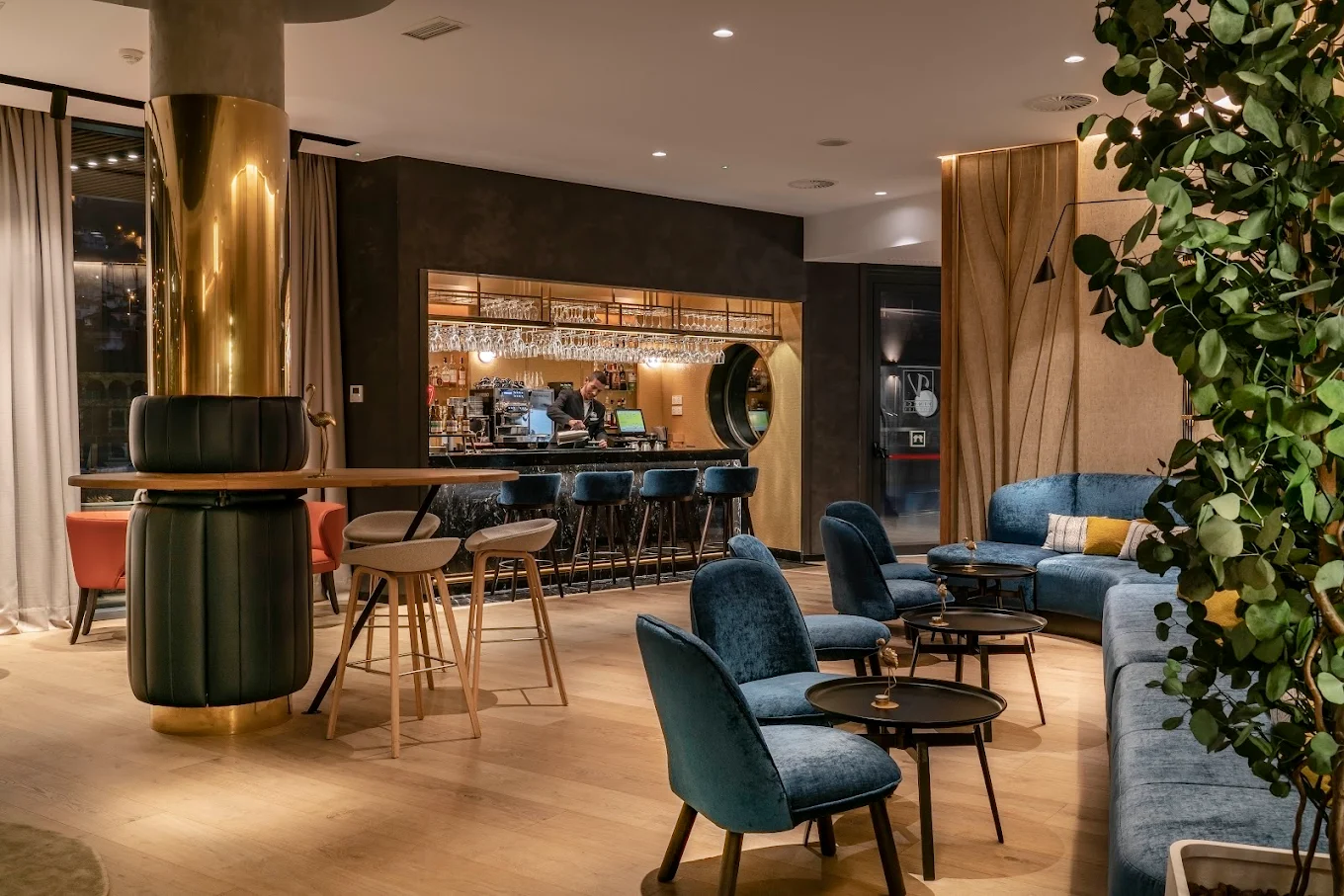
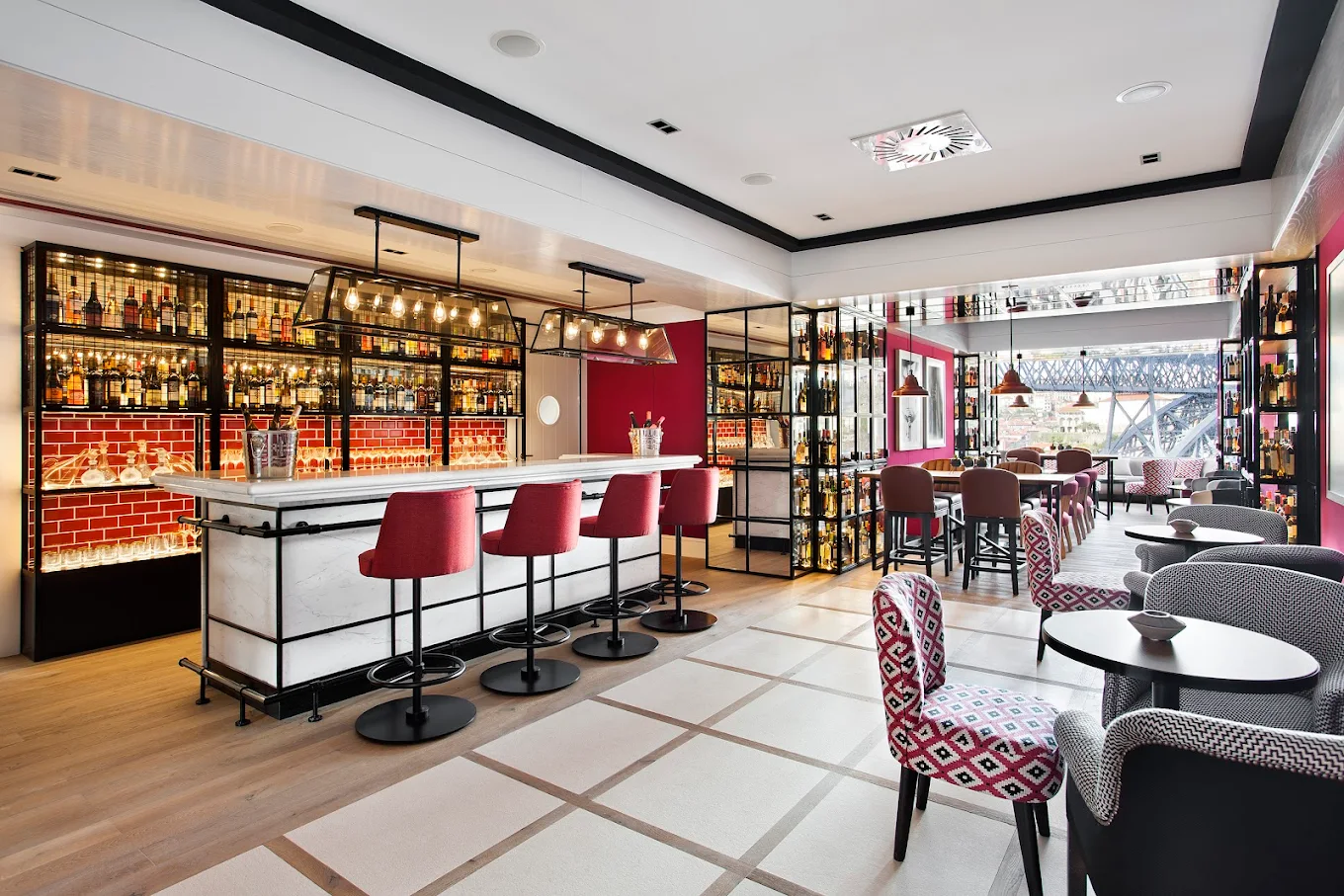
Each of these hotels offers a privileged location and the signature level of luxury of the chain, making them ideal bases for discovering wine in its original context. For more information on destinations where wine takes center stage, click Five Vincci Hoteles destinations where wine is the main attraction this autumn.
Enjoy your travels more
subtitle_categories_andromeda
paragraph_categories_andromeda
Vincci Talks
Our podcast, a series of close encounters where relaxed conversations are held on various topics of general interest, with special guests who bring their expert and unique insights.
View moreVincci Expert
Immerse yourself in Vincci Local Expert and explore the best of each destination where our hotels are located. From local events to exclusive activities at our establishments, here you will find everything you need to live a Vincci experience.
View moreVincci Experiences
Explore the space where we store all the unique experiences you can have with us.
View moreVincci Getaways and destinations
Discover in our blog all the information about getaways and holiday destinations you need.
View moreVincci Gastronomy
Explore our posts section about the exquisite gastronomy we offer.
View moreUnique Events
Explore our posts section, the place to discover detailed information about special events, both social and corporate.
View moreTravel tips and recommendations
Our selection of posts offering an indispensable guide to finding tips and recommendations that inspire every journey.
View moreVincci Sustainable and responsible
Discover in our posts section about our sustainable and responsible initiatives.
View moreVincci Corporate Hotels
Our section of highlighted news reflecting the excellence and trajectory of our hotel chain.
View more


