Applying AI in the hotel industry: Transforming the customer experience Vincci Hoteles

Applying AI in the hotel industry: Transforming the customer experience
Applying AI in the hotel industry: Transforming the customer experience
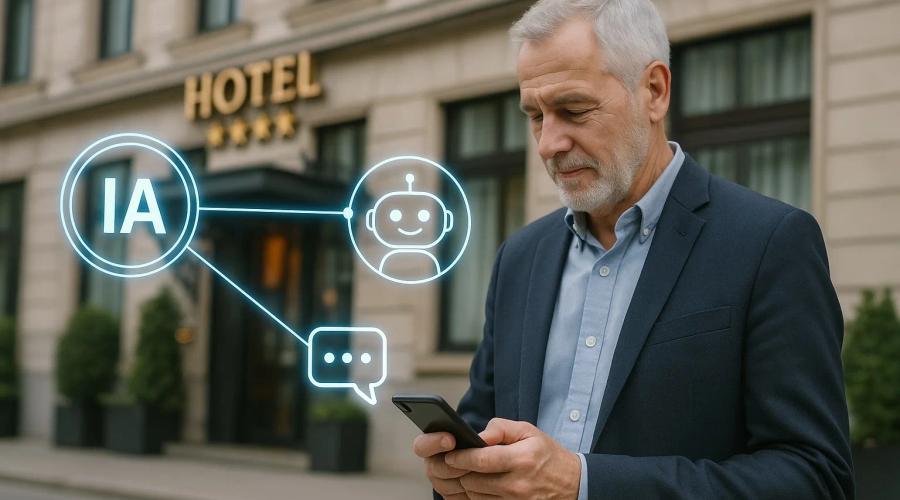
Applications of Artificial Intelligence in Hospitality
The applications of this technology are diverse, ranging from process automation to service personalization:
Process Automation
Process automation is one of the most significant advancements AI has brought to the hospitality sector. Thanks to automation, hotels can optimize multiple tasks that traditionally required significant human intervention. It's essential to remember that the databases we provide are key to obtaining the best results.
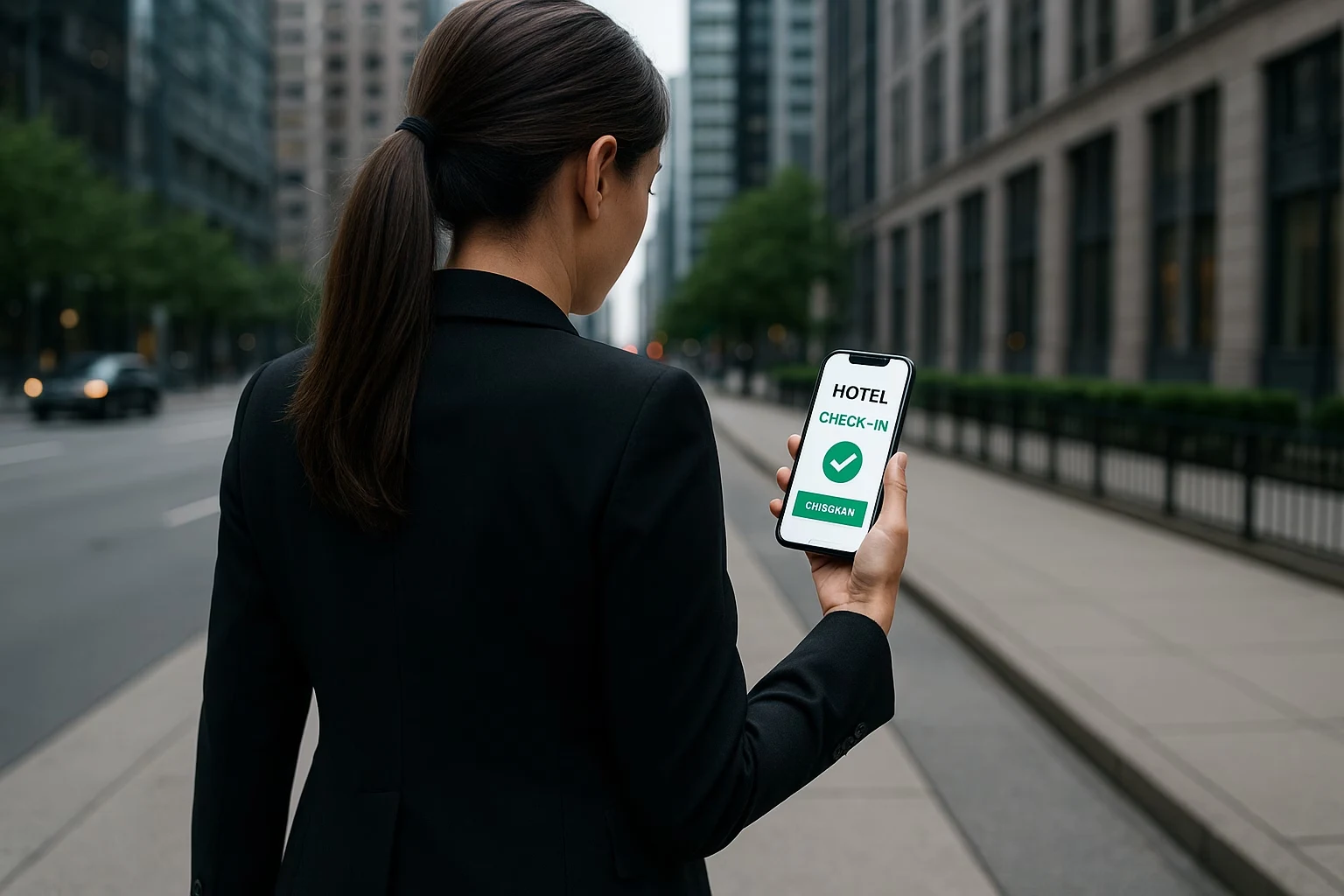
Personalization of the Guest Experience
A key aspect of modern hospitality is the ability to personalize services and experiences. AI uses guest data to offer a unique and tailored experience that results in higher satisfaction and customer loyalty.
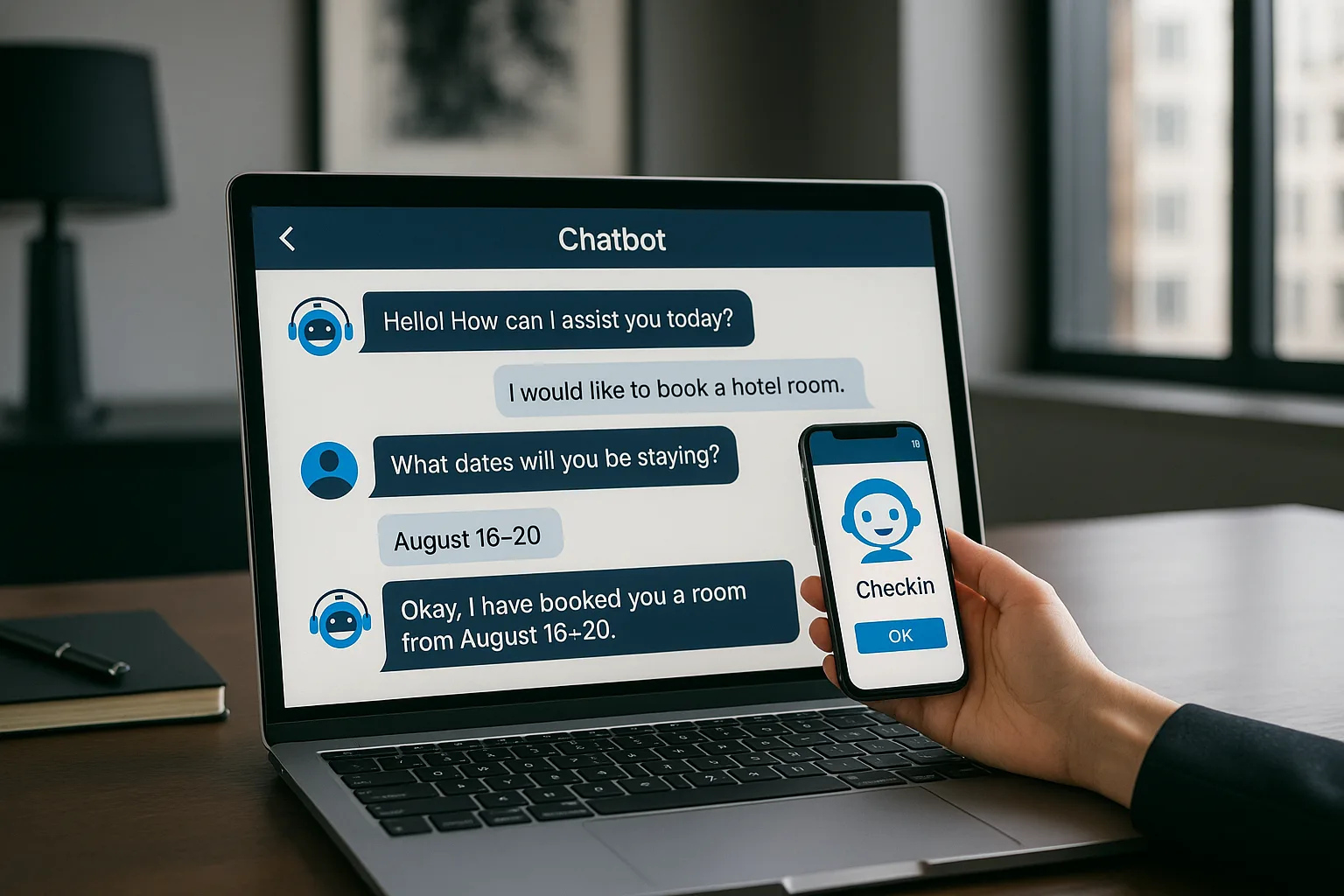
Chatbots and Virtual Assistants
Chatbots, or virtual assistants, are tools that are available 24/7 and manage bookings, answer frequently asked questions, and provide personalized recommendations. As a result, guests receive fast and efficient responses, enhancing their experience from the very first contact.
Facial Recognition and Contactless Check-In
Another innovative application is the use of facial recognition technologies and contactless check-in. This allows guests to register quickly and securely without physical interaction or waiting. Additionally, this solution can enhance security by efficiently verifying guest identity.
Revenue and Sales Management Systems
Thanks to advanced algorithms, these systems can adjust room rates based on demand data and gather detailed guest insights. This proactive approach increases hotel profitability, ensuring the highest possible revenue.
Dynamic Pricing
Dynamic pricing enables hotels to adjust rates in response to market fluctuations. AI continuously analyzes data on occupancy, local events, and seasonal trends, allowing competitive and attractive pricing for guests while optimizing occupancy rates.
Predictive Analytics
Predictive analytics is another area where AI is proving its potential in hotel management. By collecting and analyzing large volumes of data, systems can anticipate customer behaviors and future industry trends. This enables hotels to make informed decisions on marketing, inventory management, and staffing strategies.

Benefits of Artificial Intelligence in the Hospitality Industry
The adoption of artificial intelligence in hospitality has brought a wide range of advantages that directly impact customer relationships and internal operations.
Enhanced Customer Experience
AI lies at the heart of improving guest experiences. Through automated tools, hotels can deliver faster and higher quality service, focusing on each guest’s individual needs and preferences.

Optimization of Repetitive Tasks
Repetitive, low-value taskscan be automated through AI. This frees up human staff to focus on work that demands more attention and creativity.
Increased Revenue and Sales
The integration of AI enables hotels to maximize revenue and sales through advanced analytics and data-driven strategies. The system can identify consumer behavior patterns, helping to anticipate demand and optimize offerings.

Future Trends of Artificial Intelligence in the Hotel Industry
The following trends highlight how this technology will continue to drive the sector forward.
Integration with Emerging Technologies
AI does not work in isolation; its integration with emerging technologies is redefining hotel services. As new tools and platforms emerge, hotels must be ready to adopt these innovations to offer more effective and appealing solutions.
Immersive and Personalized Experiences
The future evolution of AI in hospitality will focus on creating truly immersive and personalized guest experiences. Data collection will become even more sophisticated, allowing for deeper analysis of individual preferences.
With this approach, hotels will be able to offer:
- Rooms tailored to guest preferences and tastes.
- Personalized activity recommendations based on past bookings and guest interactions.
- In-room services that automatically adjust to preferences such as lighting, temperature, and entertainment.
AI-powered personalization will reach a point where each guest feels their experience was uniquely designed for them, strengthening brand loyalty.

Development of Next-Generation Digital Concierges
The evolution of digital concierges represents one of the most promising innovations in artificial intelligence. These virtual assistants are designed to provide proactive support and ongoing personalization.
The next generation of digital concierges will include:
- Integration with smart room devices allowing guests to request services effortlessly.
- Continuous learning capabilities enabling the concierge to adapt responses and suggestions to each guest.
- Seamless interaction across multiple platforms, ensuring guests can access hotel services anytime, anywhere.
The development of these digital concierges will be key to ensuring that hotels not only meet guests’ immediate needs but also exceed expectations by anticipating future desires.
Enjoy your travels more
subtitle_categories_andromeda
paragraph_categories_andromeda
Vincci Talks
Our podcast, a series of close encounters where relaxed conversations are held on various topics of general interest, with special guests who bring their expert and unique insights.
View moreVincci Expert
Immerse yourself in Vincci Local Expert and explore the best of each destination where our hotels are located. From local events to exclusive activities at our establishments, here you will find everything you need to live a Vincci experience.
View moreVincci Experiences
Explore the space where we store all the unique experiences you can have with us.
View moreVincci Getaways and destinations
Discover in our blog all the information about getaways and holiday destinations you need.
View moreVincci Gastronomy
Explore our posts section about the exquisite gastronomy we offer.
View moreUnique Events
Explore our posts section, the place to discover detailed information about special events, both social and corporate.
View moreTravel tips and recommendations
Our selection of posts offering an indispensable guide to finding tips and recommendations that inspire every journey.
View moreVincci Sustainable and responsible
Discover in our posts section about our sustainable and responsible initiatives.
View moreVincci Corporate Hotels
Our section of highlighted news reflecting the excellence and trajectory of our hotel chain.
View more


