World Sleep Day: Keys to Restorative Sleep Vincci Hoteles

World Sleep Day: Keys to Restorative Sleep
World Sleep Day: Keys to Restorative Sleep

The Science of Sleep
The science of sleep is a field of study that investigates the biological and psychological processes that occur during sleep. It focuses on the different stages of rest and their implications for physical and mental health.
Stages of Sleep
According to researchers Dement, W.C., and Rechtschaffen, A., each sleep cycle lasts approximately 90 to 110 minutes and is divided into four distinct stages:
- Stage 1 (Drowsiness): Lasts between 5 and 10 minutes. It is the transition phase before sleep, where brain activity decreases, but waking up is still easy.
- Stage 2 (Light Sleep): Lasts between 10 and 25 minutes in the first cycle, extending in subsequent cycles. Prepares the body for deep sleep.
- Stage 3 (Deep Sleep): Lasts between 20 and 40 minutes per cycle. This is the most restorative phase, making it essential for overall health.
- Stage 4 (REM Sleep): Lasts between 10 and 60 minutes, increasing in duration in later cycles. Associated with dreaming and memory consolidation.
Common Sleep Disorders
There are several disorders that can affect sleep quality and, consequently, a person’s overall health. Some of the most common are:
Insomnia
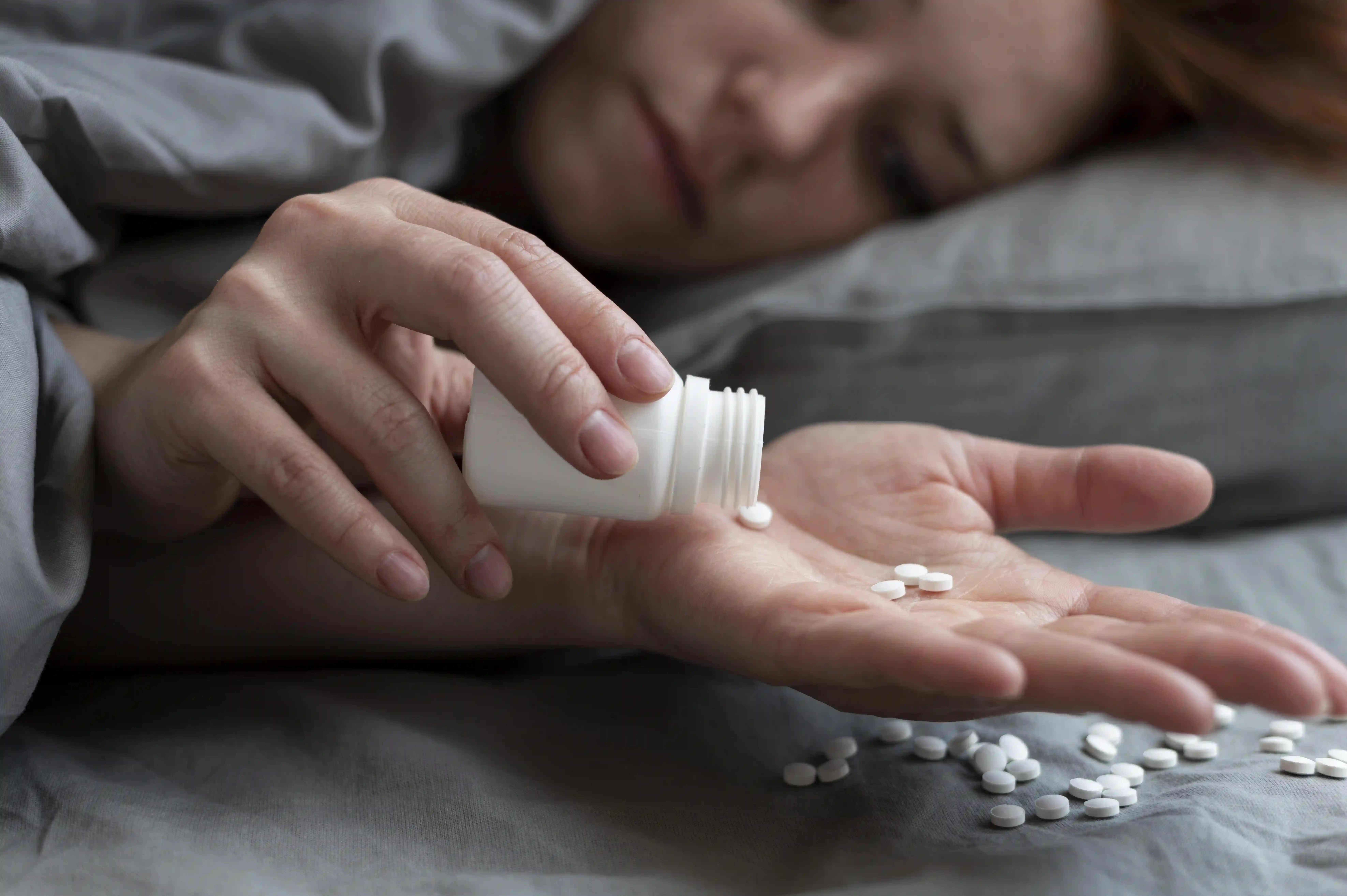
Insomnia is the difficulty in falling or staying asleep, which negatively impacts cognitive performance during the day. It is often linked to factors such as stress, anxiety, or health issues.
Sleep Apnea
Sleep apnea is a disorder in which breathing temporarily stops during sleep. This can cause multiple awakenings throughout the night, disrupting sleep cycles. It contributes to fatigue and daytime sleepiness.
The Impact of Sleep on Health
Sleep plays a crucial role in various physiological functions. Poor sleep quality can increase the risk of health issues such as obesity, diabetes, cardiovascular diseases, and mental health disorders.
Strategies for Better Sleep
It is essential to implement effective strategies to improve sleep quality. Below, we will explore sleep hygiene guidelines and environmental factors that can enhance your rest:
Sleep Hygiene Guidelines
Sleep hygiene refers to the habits and practices that help people fall asleep more easily. The key guidelines include:
- Establish a regular sleep routine that includes relaxing activities, such as reading before bed.
- Create a peaceful sleep environment by ensuring your bedroom is dark and quiet.
- Limit screen time before bed to prevent overstimulation of the brain.
- Maintain a consistent sleep schedule, going to bed and waking up at the same time every day.
- Make your bedroom conducive to sleep by using blackout curtains or lowering the blinds.
- Practice relaxing activities before bed, such as meditation or deep breathing exercises.

Environmental Factors
The environment in which you sleep can significantly influence the quality of your rest.
Optimal Sleeping Temperature
The temperature of your bedroom is crucial. The scientific community recommends maintaining a sleep environment between 18°C and 21°C, as it helps the body regulate its internal temperature, facilitating deeper and more restorative sleep.
Benefits of Quality Sleep
A good night's sleep provides multiple benefits for overall well-being. In fact, it is essential to achieving it.
Improvement in Physical and Mental Health Thanks to Restful Sleep
- Strengthens the immune system, reducing the risk of illnesses.
- Enhances muscle recovery and cell regeneration.
- Regulates hormonal balance, which can prevent weight gain and other metabolic disorders.
- Boosts concentration and memory, facilitating learning.
- Reduces stress and anxiety, promoting better emotional health.
- Minimizes the risk of developing certain mental health conditions.
Increase in Quality of Life
People who sleep well tend to experience:
- Higher energy levels, allowing for optimal performance in daily activities.
- Better mood, leading to a more active social life.
- Greater resilience in facing challenges and stressful situations.
- Improved memory and cognitive functions.
- A reduction in symptoms of neurodegenerative diseases, contributing to healthy aging.

Practical Recommendations for Better Sleep Quality
To enjoy a restorative sleep, it is essential to adopt healthy habits and make adjustments to your daily routine. Some additional recommendations include:
Avoid Caffeine and Alcohol Before Bed
The consumption of stimulants, such as caffeine and alcohol, can significantly interfere with your sleep cycle. For this reason, it is recommended to avoid their intake for at least four hours before bedtime.
Exercise Regularly
Physical activity is a key ally in improving sleep quality. It is advisable to engage in aerobic exercises, such as walking, running, or swimming, at least three times a week. However, avoid intense exercise a few hours before bed, as it may have the opposite effect and make it harder to fall asleep.
Avoid Using Technology Before Sleeping
Technology can negatively impact sleep quality, especially exposure to screens before bedtime. The blue light emitted by devices such as smartphones and computers can interfere with melatonin production, the hormone responsible for regulating sleep. Therefore, it is recommended to stop using them at least one hour before bed.
Vincci Hotels’ Commitment to Restful Sleep
At Vincci Hotels, we play a crucial role in ensuring our guests' quality of rest. To guarantee an unparalleled sleep experience, we have carefully considered factors such as soundproofing, lighting, and the selection of the best materials.
Vincci Hotels' Bedding Materials for Optimal Sleep
- Premium Sheets and Pillows: Crafted from high-quality materials, our sheets and pillows provide exceptional softness and support, promoting proper posture.
- High-Quality Mattresses: Our mattresses distribute weight evenly and reduce pressure points.

Sleeping well is essential for physical and mental health. Adopting proper sleep habits and creating an optimal environment is crucial for achieving restful sleep, a key component of a healthy and balanced life.
At Vincci Hotels, we want you to experience the best possible rest, which is why many of our hotels offer a pillow menu with various options, available through our app. Find the perfect choice for you and sleep exactly how you need. Your comfort is our priority!
Enjoy your travels more
subtitle_categories_andromeda
paragraph_categories_andromeda
Vincci Talks
Our podcast, a series of close encounters where relaxed conversations are held on various topics of general interest, with special guests who bring their expert and unique insights.
View moreVincci Expert
Immerse yourself in Vincci Local Expert and explore the best of each destination where our hotels are located. From local events to exclusive activities at our establishments, here you will find everything you need to live a Vincci experience.
View moreVincci Experiences
Explore the space where we store all the unique experiences you can have with us.
View moreVincci Getaways and destinations
Discover in our blog all the information about getaways and holiday destinations you need.
View moreVincci Gastronomy
Explore our posts section about the exquisite gastronomy we offer.
View moreUnique Events
Explore our posts section, the place to discover detailed information about special events, both social and corporate.
View moreTravel tips and recommendations
Our selection of posts offering an indispensable guide to finding tips and recommendations that inspire every journey.
View moreVincci Sustainable and responsible
Discover in our posts section about our sustainable and responsible initiatives.
View moreVincci Corporate Hotels
Our section of highlighted news reflecting the excellence and trajectory of our hotel chain.
View more


